
 Verified Purchase





Explore Fabrics Online - Traditional Indian Textiles
Your go-to online fabric Store with sustainable fabrics


Bandhani Bandhej Sarees - Silk, Cotton & Banarasi
Intricate Tie-Dye Patterns


Beautiful Blouse Pieces for Every Occasion
Exclusive Blouse Pieces & Materials at iTokri


Makar Sankranti - Story, Tradition & Celebration
Makar Sankranti is a Hindu festival that marks the end of the winter season and the beginning of higher and brighter days. Sankranti celebrations are based on the lunar calendar and it is considered to be one of the most auspicious times of the year. On this day, women prefer to wear new outfits. They dress in bright coloured fabrics welcoming the arrival of warmer days.
In this blog, we shall talk about the significance of this auspicious festival in greater detail and also touch upon the various ways in which this day is venerated across India.
In 2025, the Makar Sankranti date will be celebrated on 14th January
Significance Of Makar Sankranti
This festival is a day of categorical importance in the context of social, cultural and religious realms:
It Culminates The Winter Harvest Season
To understand the significance of this auspicious, it is important to note that it marks the end of the winter harvest. Therefore, farmers heartily celebrate this time to thank Mother Nature for a successful harvest.
Astronomical Significance
What makes this day special is the fact that it marks the sun's transition to a different sun-sign called Capricorn (Makar). This is an important event as per the astronomical charts.
Cultural Significance
Uttrayan is celebrated in a number of ways throughout the different stages. This is because this festival holds a special sentiment across our country.
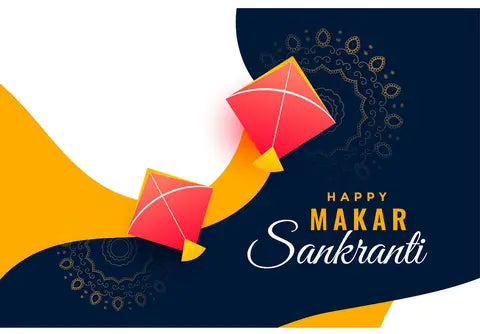
How To Celebrate Makar Sankranti Festival
Also known as Uttarayan festival, this day is celebrated in numerous ways to cherish abundance, express gratitude for the bounties of nature and seek blessings for holistic well-being:
Let us take a look at the traditions of different states to celebrate uttarayan
Gujarat
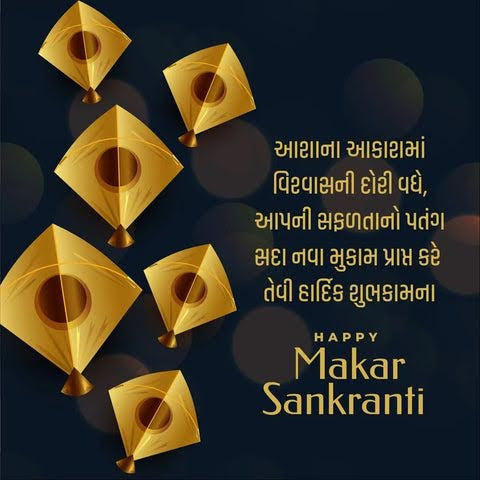
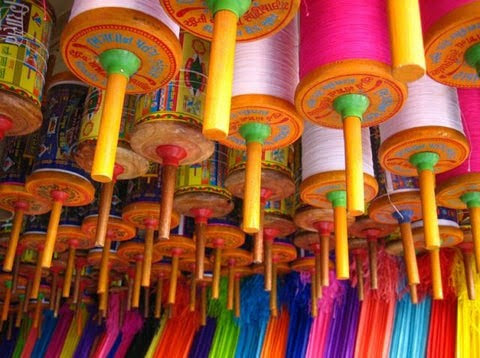
In Gujarat, people celebrate this auspicious day by indulging in elaborate kite flying competitions post the ritualistic chanting of prayers. It is so heartwarming to see the entire sky turn into a canvas of gorgeous colours. Women dress in beautiful Bandhani Sarees and adorn themselves with elegant jewellery and bangles.
Haryana
Punjab
Makar Sankranti is an important festival in Punjab. It is also known as Maghi in this region. One of the most important parts of festivities in Punjab is to take a dip in a river early in the morning. Post that, lamps with sesame oils are lit to celebrate this day. Kite flying is also a major aspect of celebrations.
Maharashtra
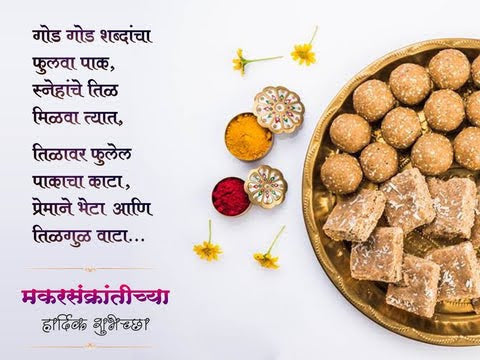
In Maharashtra, this day is celebrated by exchanging sweets made from sesame and jaggery. A very famous Marathi phrase attributed to this festival is ‘Til Ghul Gya God God Bola,’ which alludes to the practice of speaking sweetly after tasting the Sankranti sweets. This day is also associated with the Pongal harvest. On this day, Maharashtrian women wear black sarees paired with bright-coloured blouse pieces. It is a way to absorb the sunrays and spread warmth all over the body.
West Bengal
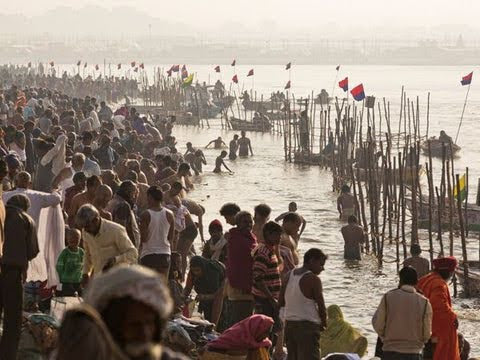
In West Bengal, a fair called the Ganga Sagar Mela is organised during the Uttarayan festival . This is an annual occurrence and people from all across the country get together to partake in the fair. The Sankranti celebrations are also known as Poush Sankranti in this part of India.
Assam
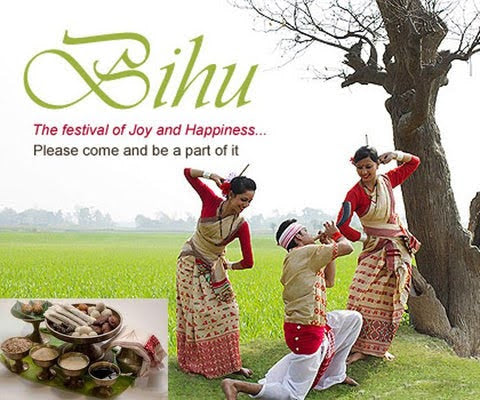
This festival is also known as Magh Bihu in Assam. People prepare sumptuous feasts and gather around bonfires to foster community bonding. Bamboo huts also known as Meji and Bhelaghar are also put up to celebrate this day.
Uttarakhand
The Uttarayan festival is celebrated by eating and donating Khichdi in Uttarakhand. Khichdi is a delicious concoction of rice and lentils that personifies unity. People also partake in different fares and take dips in Holi water to celebrate this day. A fest called Khichdi mela is organised in Gorakhpur which is attended by many Woolen from all over the state and country.
Himachal Pradesh
In Himachal Pradesh, this festival is also known as Magha Saaji. Devotees visit the famous temples in the region and take a dip in holy water. Moreover, people also prepare yummy dishes and dress up in traditional wear to mark the celebrations.
India is a melting pot of different cultures and ethnicities. It is delightful to see that our nation celebrates culture, rituals, gratitude and faith in such a profound and beautiful manner. We hope that the above mentioned Sankranti information will acquaint you with the deep-rooted significance of this festival and fill you with more reverence about the same. From the colourful kites of Gujarat to the Ganga Sagar Mela in West Bengal, each state has a unique way of commemorating this day and fostering a sense of camaraderie with fellow devotees. If you plan to celebrate this day in the true Indian sport, we suggest you check out the ethnic wear and traditional sweets on iTokri. You can order these for personal use or for gifting to your loved ones. So, gear up and prepare yourself to rejoice in this lovely festival of thanksgiving, abundance and renewal.
Festive Celebrations and Traditions of Makar Sankranti
Sankranti is a widely celebrated festival in India. There are many regional variations to this festival which we can see throughout the country. It is celebrated as Makar Sankranti in Haryana, Rajasthan, Uttar Pradesh, and Delhi, while Punjab celebrates it as Lohri. In Himachal and Uttarakhand, it is known as Maghi, Tamil Nadu celebrates it as Pongal. However, the main idea is to celebrate the sun god, harvest season, and community togetherness. This day marks the end of winter solstice and transition of Sun into the Capricorn or Makar zodiac sign. Every community has their own ways and customs to celebrate this auspicious day. Here are some of the festive celebrations and traditions held on this auspicious day:
Religious Ceremonies on the banks of river: Since this is an auspicious day, it is particularly important for religious ceremonies as well. People gather on the banks of river Ganga and other sacred rivers. Places like Haridwar, Prayagraj and Rishikesh are flooded with devotees. They bath in the sacred waters to wash way their sins. Offerings are given to the Sun god in form of sugarcane, fruits, and sesame seeds. Prayers are held to thank Sun god for bountiful harvest and prosperous time ahead.
Bonfires and Folk Dance: In Punjab and Tamil Nadu, this festival is celebrated with bonfire. It is a way to remove negativity and spread positive warmth and light around. People gather around the bonfire, signing and chanting. In Punjab, bhangra and gidda are done to celebrate the day. They offer foxnuts, sesame seeds and sweets to the fire praying for a good year ahead.
Flying colourful kites: In Gujarat, Rajasthan, Delhi and Haryana, Kite flying is popular tradition on Sankrant. Skies are filled with colorful kites of all shapes and sizes. It is often accompanied by music, food, and entertainment for everyone.
Starting the day with sweets: This festival is all about new beginnings, so it is celebrated with something sweet. Churma, Halwa, sweets made of sesame seeds and jaggery are quite common among various communities around India. In Tamil Nadu, a savoury dish is made with rice known as Pongal.
Organising Fairs and events: In many states, Magh Mela, or Sankranti mela are quite common. Over here people gather around temples and banks of river to take a bath and do charity. For kids, these fairs are a hub of games, rides, food, and entertainment of all sorts.
This is not just a festival with music and food. It is a celebration of age-old traditions, thanking gods, and nature and coming together as a community. Even though every state has its own customs, it spreads a sense of unity among people from different walks of life.
How Makar Sankranti Brings Communities Together
This festival is known by a different name in different parts of India. Whether you call it Uttarayan, Pongal, Lohri, or Sankrant, it plays an essential role in bringing the community together. There is a spirit of unity among different communities enjoying shared celebrations and traditions. Here is how this festival brings communities together:
Kite Flying Competitions: Kite Flying is the main attraction of this festival. It is enjoyed in Haryana, Delhi, Rajasthan, and Gujarat. During Sankranti festival, skies are filled with colourful kites. Friendly competitions are held and kids run around to gather fallen kites.
Tradition of Khichdi: Khichdi is the dish that highlights the essence of this festival. Lentils, rice, spices, salt, and vegetables come together in Khichdi, bringing out its flavour. This way, we all come together, leaving our individual identity, and forming one community.
Communal feasts: While talking about festivals in India, how can we forget food. Khichdi, halwa and tilgul or “til ke laddu” are some of the most loved sweet dishes of this festival. They are made in every home and distributed among neighbours. Some communities also hold communal feasts in holy places for poor.
Bonding among people from different walks of life: Whether you are living in a city or rural area, Sankranti festival is celebrated in the same way. It creates a sense of unity among different groups of people. Visiting fairs, communal gatherings, relishing sweet dishes, and engaging in folk dances is part of it.
The sense of charity: Since this is an auspicious day, it is also a time for charity. People donate food, money, and clothes to the needy. They organise communal feasts near temples and banks of river for everyone to enjoy.
With all these activities, this festival creates a sense of unity among everyone. Whether one is living in their own city or far from it, they can still engage in the festivities. It strengthens the regional identity while allowing them to discover new customs.
FAQ
Why do we celebrate Makar Sankranti?
We celebrate this festival marking the transition of sun into the zodiac sign of Capricorn or Makar. It is also a time to mark the end of winter solstice and arrival of longer days. This festival holds a great significance among various communities in India. Among agricultural communities, this day signifies harvest season. They pray to the sun god thanking him for a bountiful harvest. With delicious food, colourful kites, fairs, bathing in sacred water and charity, this festival spreads joy and unity. It is a way to celebrate harvest, prosperity and gratitude.
Why do we fly kites on Makar Sankranti?
Flying kites during this festival holds a great significance. It symbolises the soaring spirits, freedom and joy which comes with the harvest season. As the sun spreads its warmth marking the end of winter season, kites spread happiness. The vibrant colours of kites in the sky represent a festive mood. It is also a way to bring entire community together with healthy competition, food, and music. Without kites, Sankranti festival images are incomplete.


Leave a comment (all fields required)