
 Verified Purchase





What is Jacquard Fabric? A Deep Dive Into This Intricate Weave
Unraveling the Legacy, Design Techniques & Everyday Appeal of Jacquard Textiles


Make Heads Turn with Luxurious Jacquard Co-ord Sets
From Brunch to Festive Soirées – Here’s How to Style Jacquard Co-ords Like a Pro

Key Takeaways
-
Jacquard weaving is a technique where designs and patterns are woven into the fabric using looms. These looms are guided by punch cards.
-
Different types of Jacquard weaving methods have evolved from hand-operated looms to modern computerized systems, while retaining their intricate and charming appeal.
-
Jigar textiles are used in fashion, home decor, and handcrafted goods. They are widely available at iTokri. You can explore their curated collection which is made by skilled Indian artisans.
In this Article
This article takes you into the fascinating world of Jacquard weaving that blends history, technology, and craftsmanship. As you read along, you will discover how Jacquard looms work and how they transformed the weaving scenario with punch card programming. From exploring traditional and modern weaving methods to understanding Jacquard fabric types, this article celebrates the beauty of Jacquard through both the past and present lens.
Introduction
“The Analytical Engine weaves algebraic patterns, just as the Jacquard loom weaves flowers and leaves.” – Ada Lovelace
When you understand ‘what is Jacquard weaving technique’, you shall realize that it is not just about making fabric, but a beautiful blend of innovation, artistry, and revolution. Jacquard patterns connect Manchester's textile mills to the essence of modern computing. Sounds wild, right? Well, believe us, it is.
Invented in 1804 by Joseph Marie jacquard, the loom literally flipped the textile world on its head. Handloom Jacquard could turn intricate designs into patterns which were woven by machines using punch cards. This is precisely the very tech that inspired early computers.
Jacquard Loom History and Invention is a blend of creativity and innovation. So, every time you wear a Jacquard cloth or flaunt a Jacquard pattern in any way, you are literally embracing the history of textiles as well as code.
What is Jacquard Weaving?
It is a kind of fabric that is woven on jacquard looms with pre-determined patterns with a blending of multiple shades. Jacquard weaving creates a pattern in the fabric with a complex in-built design structure. Usually, Jacquard loom works all fabrics but majorly brocade, damask, and brocatelle are majorly produced on the loom.
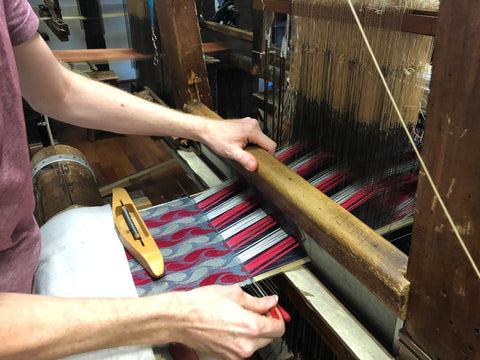
A Brief History of Jacquard Weaving & Looms
Before the origin of the Jacquard Loom, weavers used to produce this luxury fabric online by hand, and it was popularly known as brocade during the 4th century. With the progress of silk fabric manufacturing, weavers used to design patterns on more delicate fabric for a more aesthetic appearance.
Modern Jacquard weaving started in 1804 when Joseph Marie Jacquard, a French textile artisan invented this specific loom. Earlier, this fabric was a symbol of the elite class owing to its expensive price and limited weaving but after the 18th century, Jacquard suddenly became a fabric that average people can access.
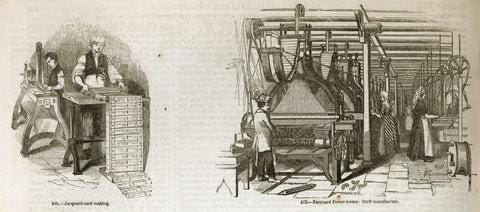
Image credit sachumacher
Comparison with Other Weaving Techniques
|
Weaving type |
The way it works |
Design |
Skill level |
Use |
|
Jacquard Weaving |
Punch cards are used for digital inputs for individual warp threads |
Complex patterns that feature floral and geometric designs. |
A moderate skill level is needed in the Jacquard textile design process, and the whole thing is mechanised |
Jacquard weaving in India is used for tapestry, garments, etc. |
|
Plain Weave |
This is a simple over-under interlacing of weft and warp threads |
It includes basic checks and stripes |
Low |
Bedsheets, shirts and everyday fabric |
|
Dobby Weave |
It entails making of geometric patterns using dobby looms |
Dobby weave features repetitive and small motifs |
Low to medium |
shirting fabric, upholstery, table linen |
Regional Spotlight: Tamil Nadu’s Jacquard Heritage
-
Tamil Nadu has emerged as a key region for handcrafted Jacquard textiles.
-
Artisans from towns and villages near Coimbatore, Erode, and Salem specialise in cotton and silk Jacquard weaves, often incorporating temple motifs, florals, and paisleys.
-
Many weavers continue to use handlooms or mechanical Jacquard looms passed down through generations.
Types of Jacquard Fabrics
If Jacquard weaving is a design language woven into cloth, these unique Jacquard fabrics are its beautiful dialects.
Come along as we unravel the personalities of the most iconic Jacquard cloth types and understand how they are brought to life using the Jacquard weaving technique:
-
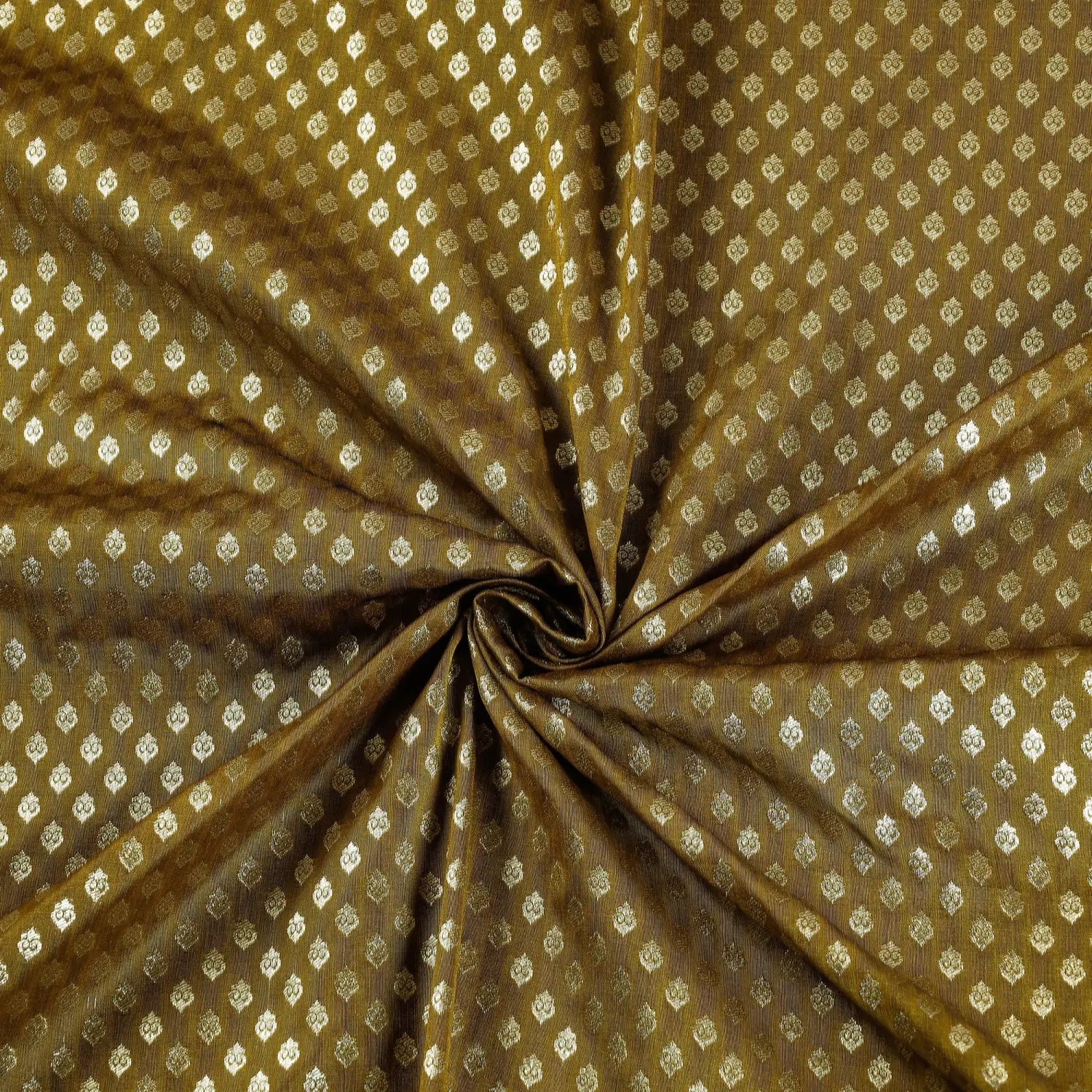
Brocade
Brocade is like contour, but in cloth form. This Jacquard woven textile features intricate motifs that have been brought to life using the Jacquard weaving process. Traditionally made using silk Jacquard on metallic threads, Brocade offers a raised and rich texture that is all about luxury.
-
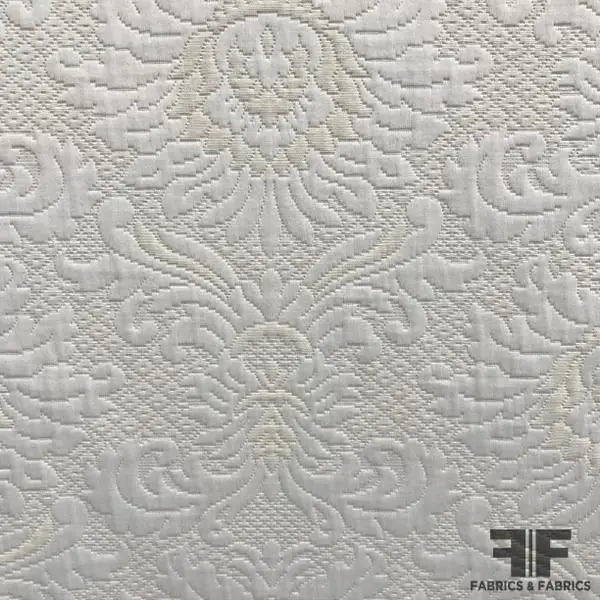
Damsak
Damask is a Jacquard fabric that is reversible and made using the Jacquard loom for making tone-on-tone Jacquard designs. Typically made in cotton jacquard, silk, or linen this fabric is widely used for making table linens, drapery, home decor, etc.
-
Matelassé
This jacquard weave has a quilted and padded feel and is crafted from the jacquard weaving technique. It creates patterns that appear puffed up, and is often used for making bedding, cushions, or even jackets. Matelasse’s three-dimensional charm is soft and very appealing.
-
Tapestry
Tapestries are perfect for bringing historical scenes, botanical instructions and illustrations and other Jacquard patterns to life. In fact, some of the most famous Jacquard woven textiles from Europe and India are tapestries. Jacquard beautifully tells stories through thread.
-
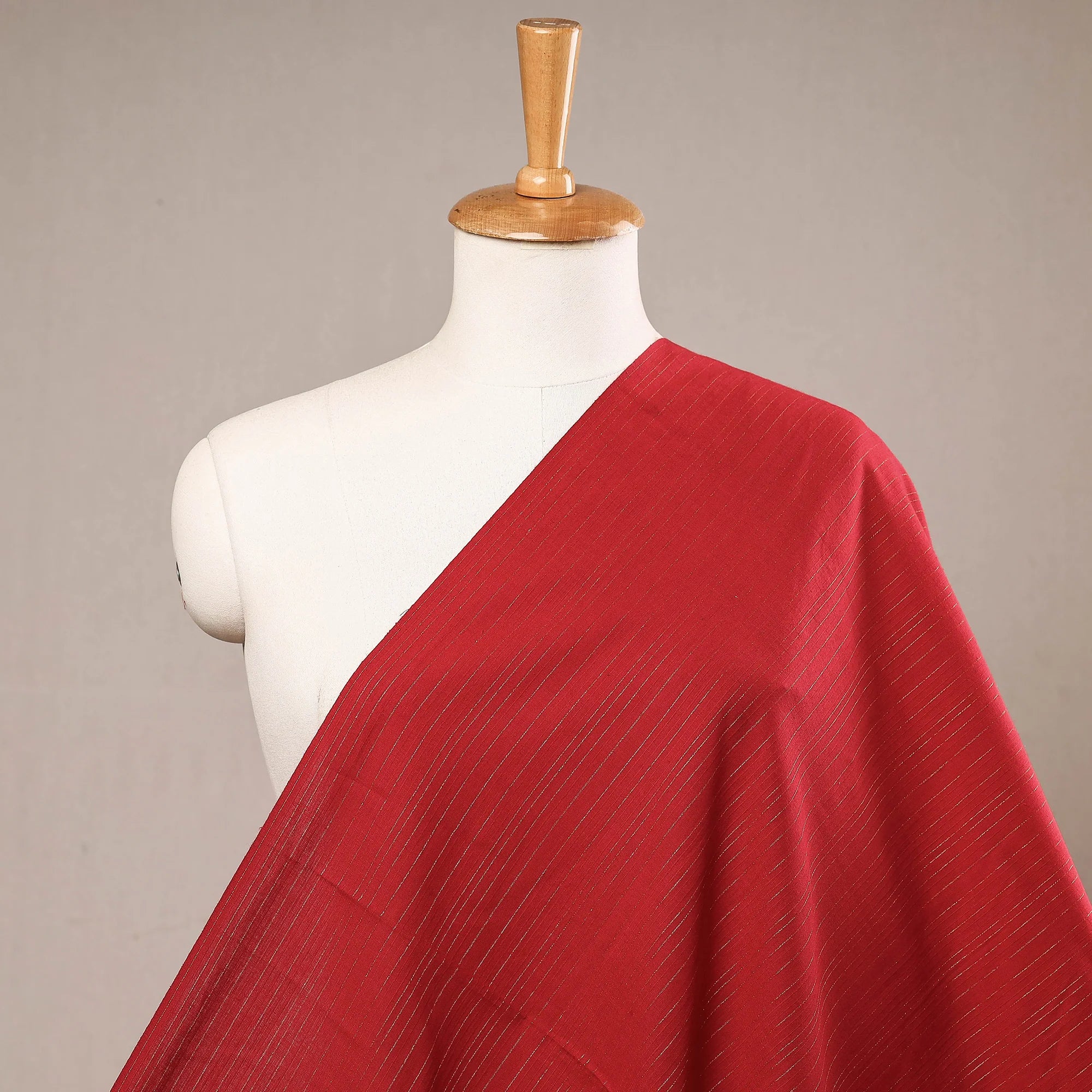
Cotton Jacquard
Cotton jacquard is a very friendly version of jacquard weaving because this fabric is soft, durable, and very breathable. From shirts, blouses, and kurtas to cushion covers and everything in between, these jacquard patterns are a favourite everywhere. In this particular jacquard textile design process, cotton is the most preferred fabric.
-
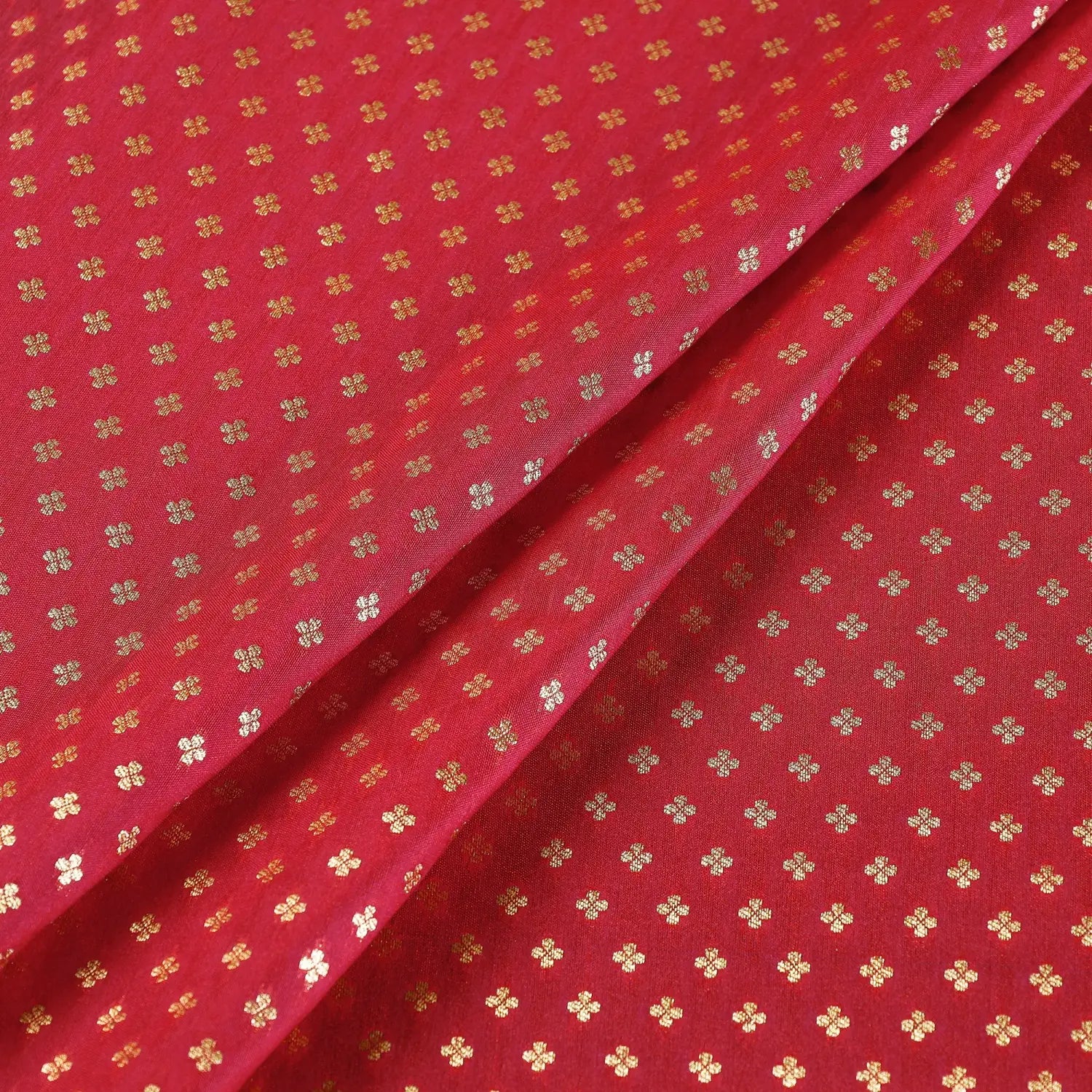
Silk Jacquard
Silk Jacquard has a high sheen, luxurious drape, and this fabric is highly revered in couture, fashion, bridal wear, Jacquard curtains etc. The precision of the Jacquard loom and the intricacies of the Jacquard weaving patterns create floral and paisley patterns designs on silk Jacquard that embody the beauty of both Victorian opulence and traditional Indian weaving.
iTokri brings you a handpicked selection of cotton and silk Jacquard fabrics, woven by artisans from Tamil Nadu and beyond—perfect for those who value comfort, craftsmanship, and culture in every thread.
Jacquard Weaving Methods
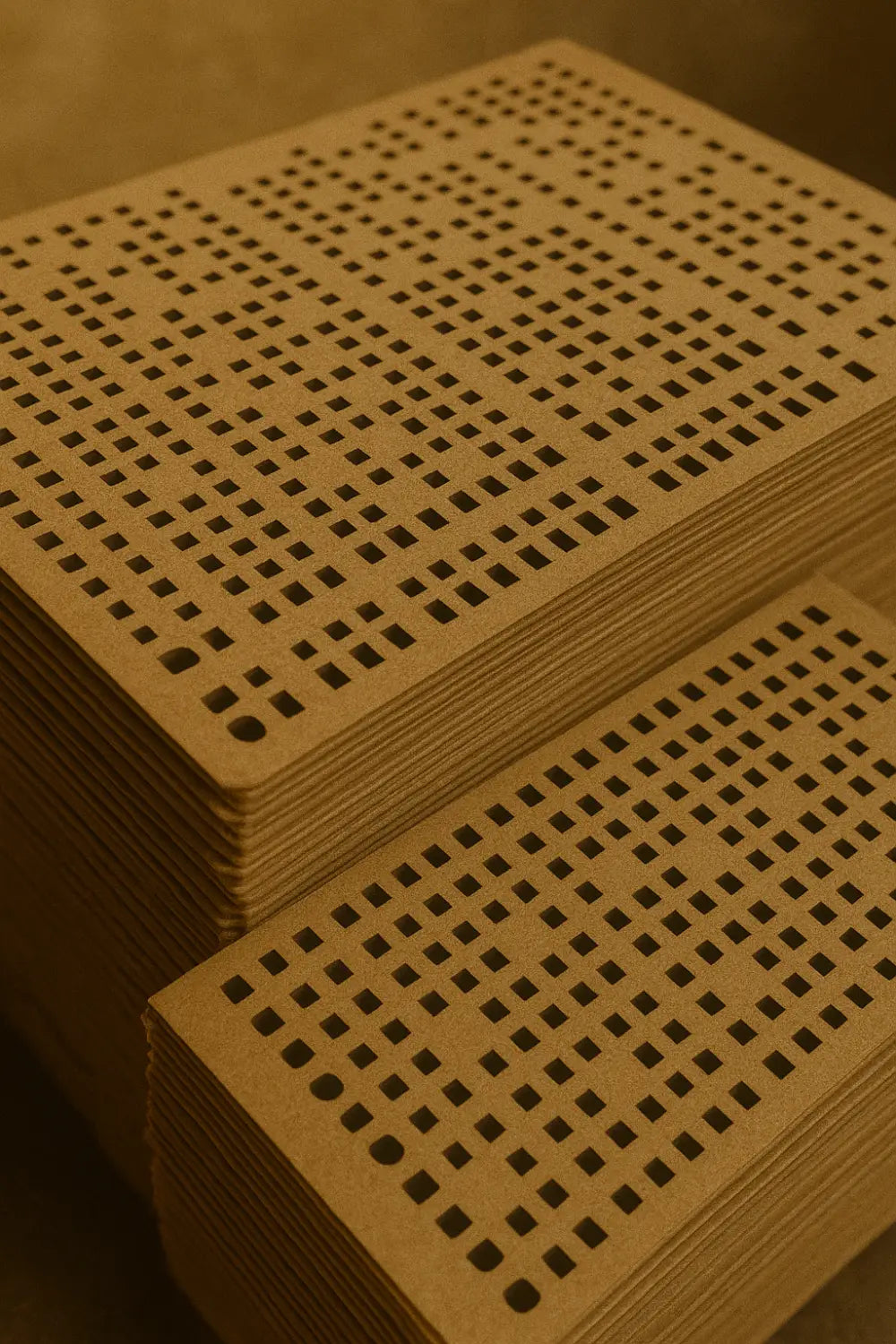
Punch Card
The most traditional Jacquard weaving process is punch card where cards punching in looms decide whether waft thread should be raised or not. Cards are arranged in such a sequence that ensures that they create the desired pattern.
Computerized Jacquard
This is an evolved version of the punch card Jacquard method where cards are controlled and functioned by the computer. A computer reads the pattern and then instructs the loom to craft the patterns.
Double-Lift Jacquard
Unlike the other Jacquard method, each warp thread is controlled by two hooks in double-lift Jacquard. This adds more flexibility and an intricate pattern into the fabric. With this method, the fabric gets a more detailed weave structure.
Hand Jacquard
Despite many evolved versions of the Jacquard weaving process, some artists still use hand Jacquard looms. In this method, all the warp is controlled by the weavers manually. It builds a connection between weavers and fabric.
Cardless Jacquard
Technology advancement pushed Jacquard weaving a step further. Now the machine does not need any punch cards as modern software drafts patterns and designs without punching cards.
Jacquard Fabric Manufacturing Process
The process of manufacturing jacquard fabric is universal yet myriad textile fibers can be used to create jacquard fabric. The process of Jacquard fabric is as follows:
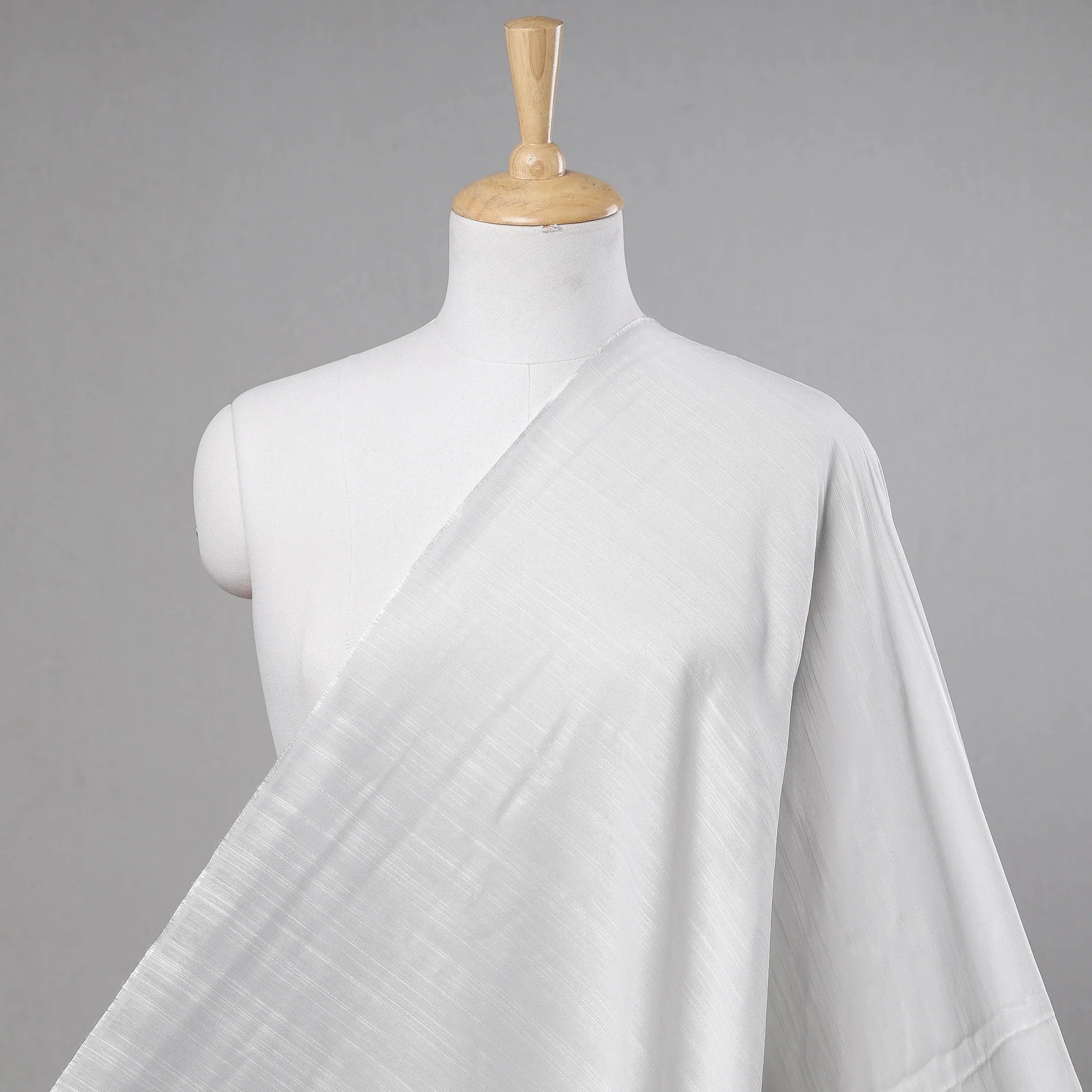
Acquire Raw Material
The market is flooded with a number of textile materials. And the process of the Jacquard pattern starts with picking textile fiber. Weavers can pick anyone from cotton to wool.
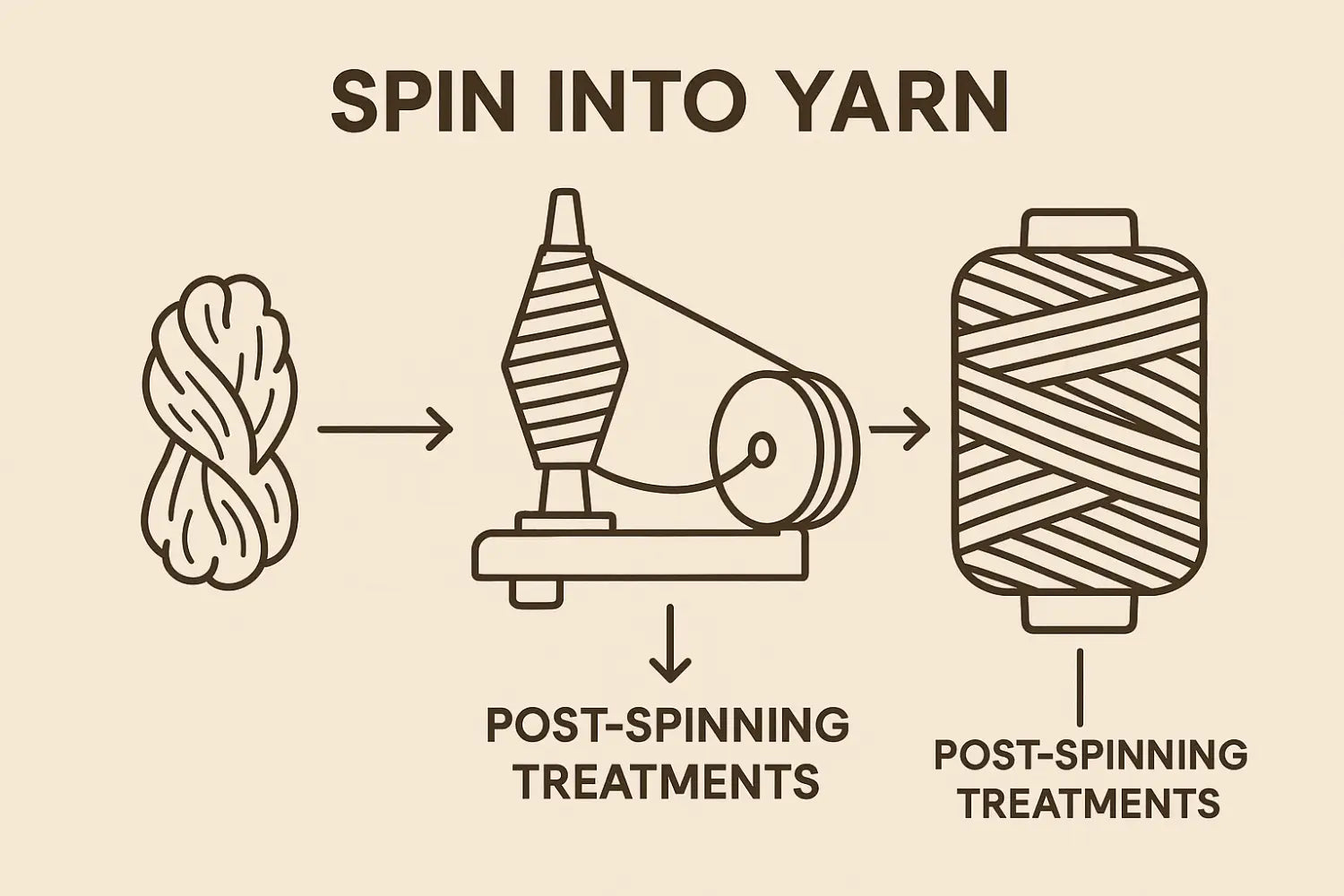
Spin Into Yarn
After selecting textile fiber, the next step leads to manufacturing yarn from fibers. Manufacturers could choose a variety of thickness options for yarn. Often, many post-spinning treatments are also used to enhance the fabric's durability.
Select The Pattern
After spinning the yarn, the next step is to pick the desired pattern for weaving. Weavers either choose crafted patterns or create new ones. Selecting patterns instructs machines to weave yarn in a specific pattern only.
Post-Production Treatment
Some weavers soak the fabric into chemical substances to add durability and others choose to dye the fabric.
Jacquard Weaving Today
No wonder, Jacquard weaving has changed over the years dramatically. Jacquard fabric is used for making a variety of home furnishings like jacquard cushion covers and more.
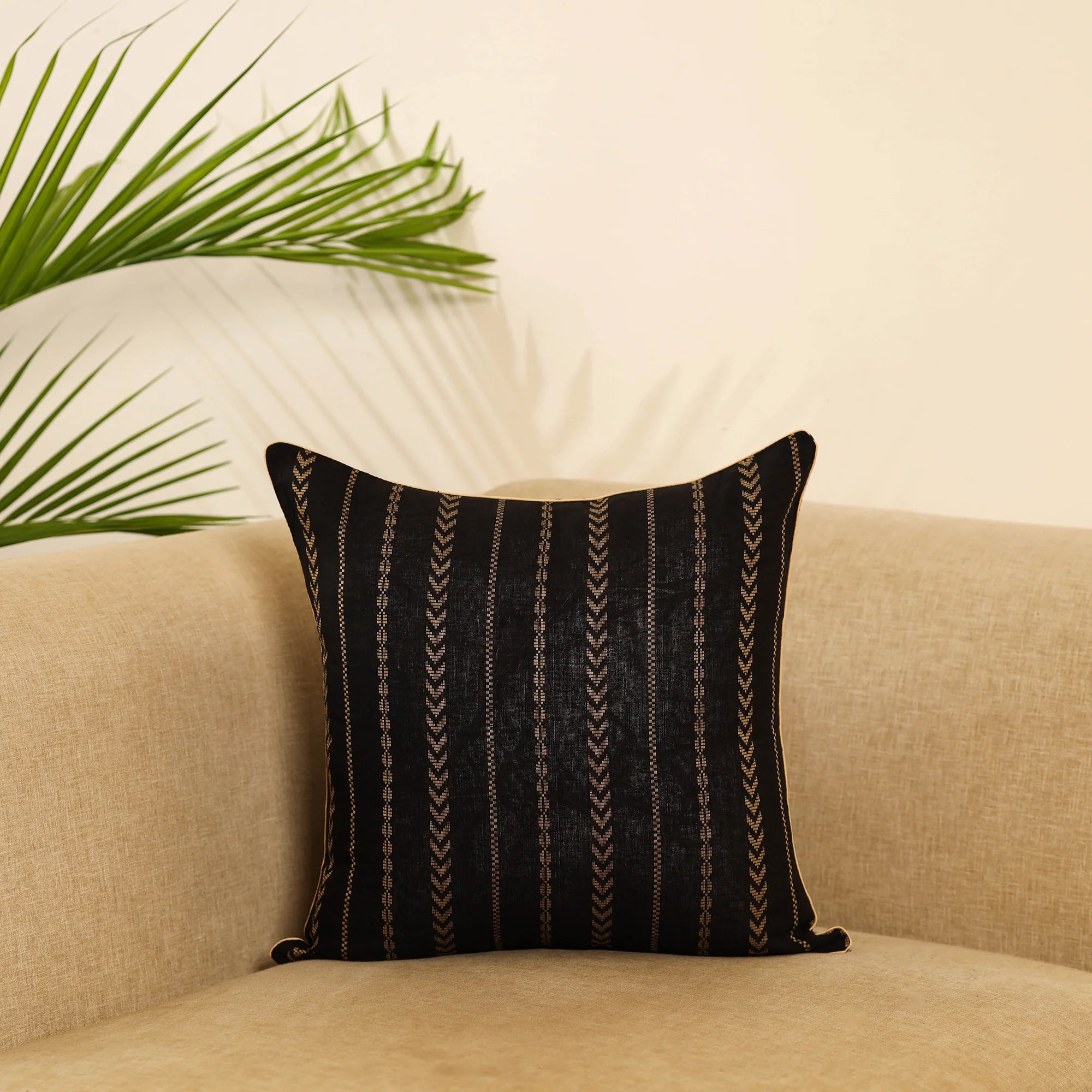
Jacquard Fabrics & Their Modern Uses
The Jacquard weave continues to tell tales of comfort, craft, and beauty. Take a look at how Jacquard weaving techniques have found a way into your home, wardrobe, and heart through iTokri;
Jacquard Fabric
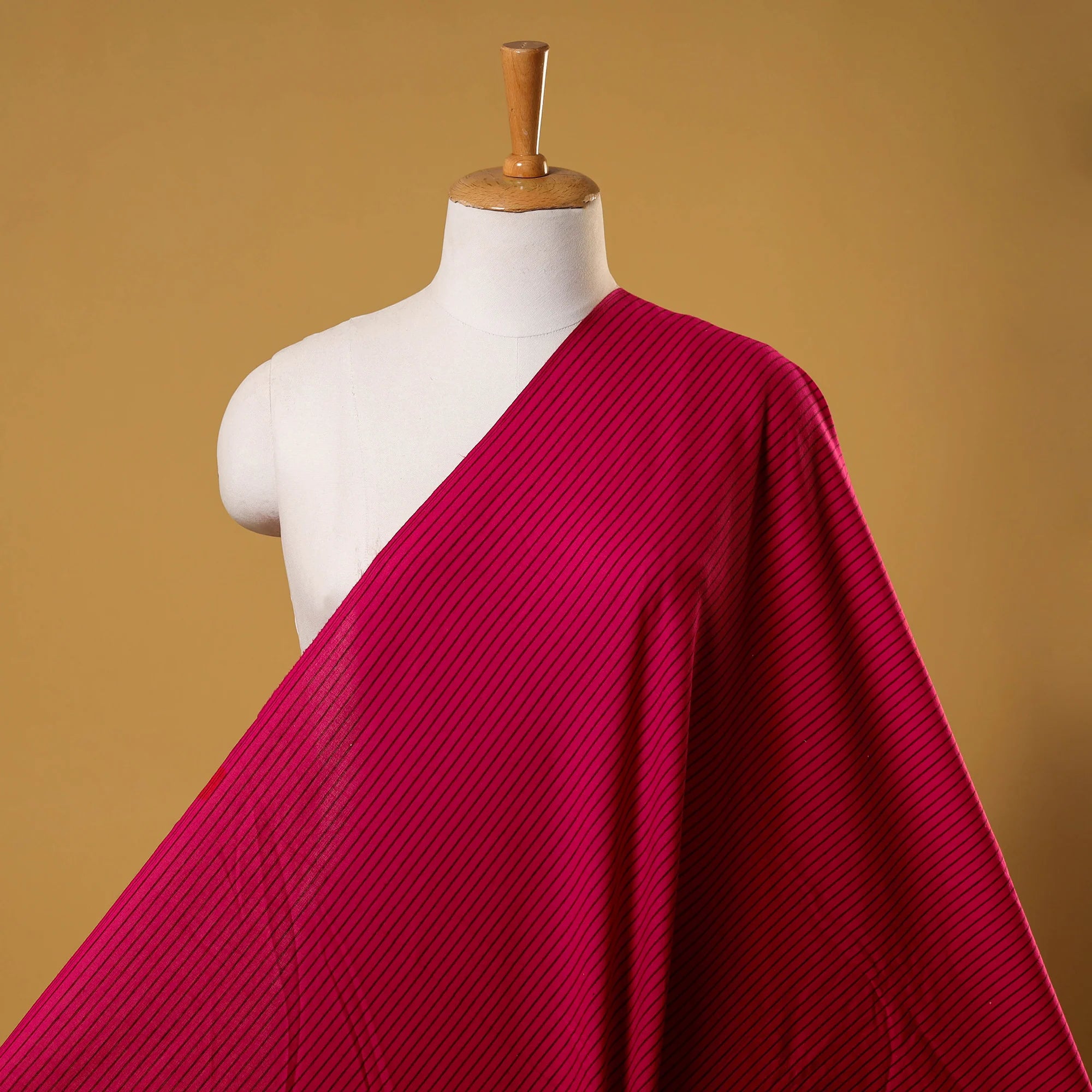
This is the collection wherethe Jacquard Loom truly shines. No matter if you're using Jacquard Weave for a personal stitching or as part of a craft endeavour, this collection of Jacquard fabrics has it all for you.
Jacquard Cotton Fabric:
Cotton jacquard is where everyday comfort meets the exquisite craft of the jacquard weaving process. This fabric feels soft on the skin, and its subtle traced motifs are perfect for making summer kurtas, shirts, etc.
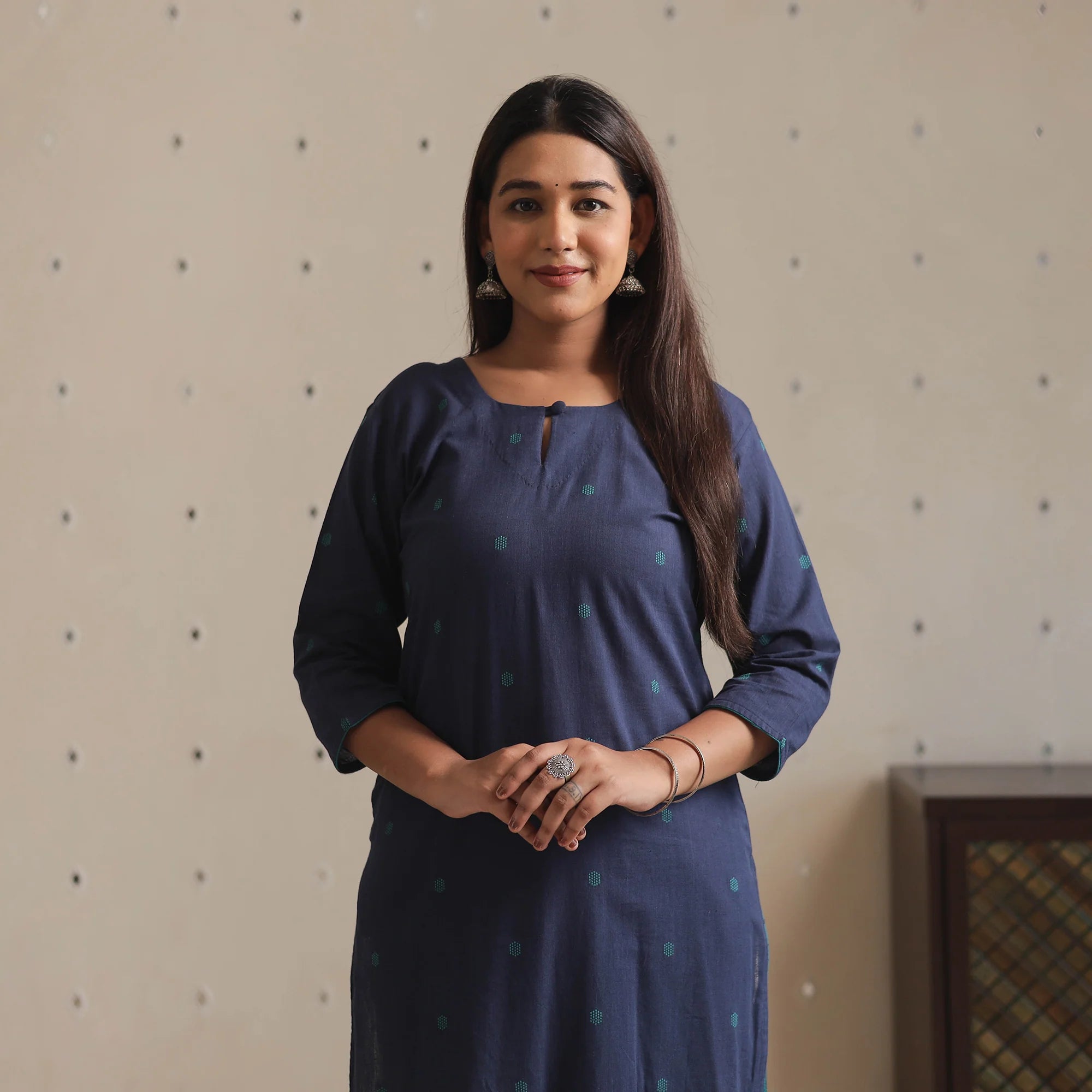
Jacquard Kurti For Women
From everyday wearability to festiveness, our Jacquard kurtis have been crafted using precise Jacquard weaving techniques that add a lot of personality and grace to these kurtis, making them look regal while draping like a dream.
Jacquard Blouse For Ladies
Our jacquard blouses are woven to perfection using the jacquard loom with motifs that look handcrafted but are basically woven into the fabric no matter if you like the printed jacquard or the structured jacquard weave our blouses work wonders for adding an elegant touch to even the simplest of drapes!
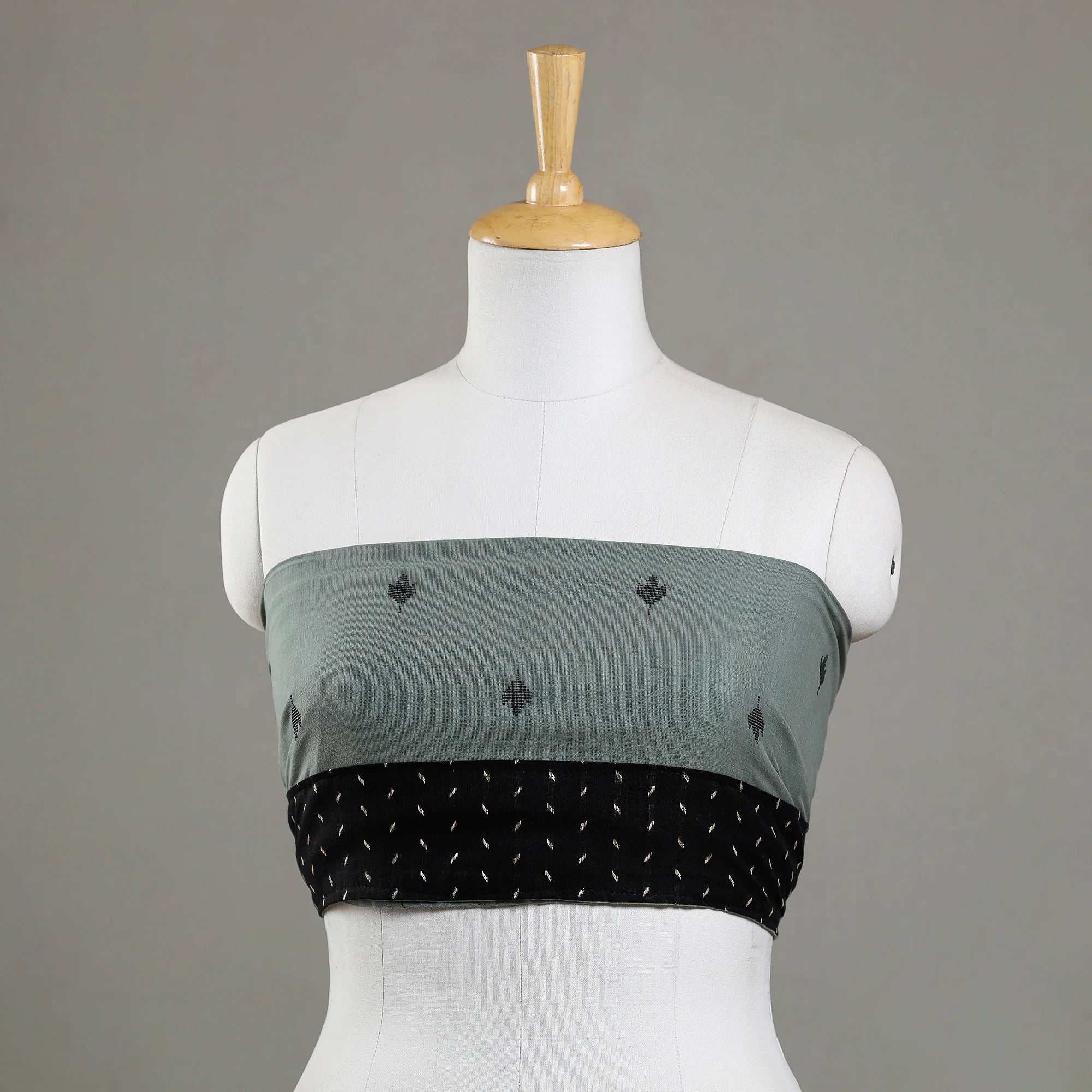
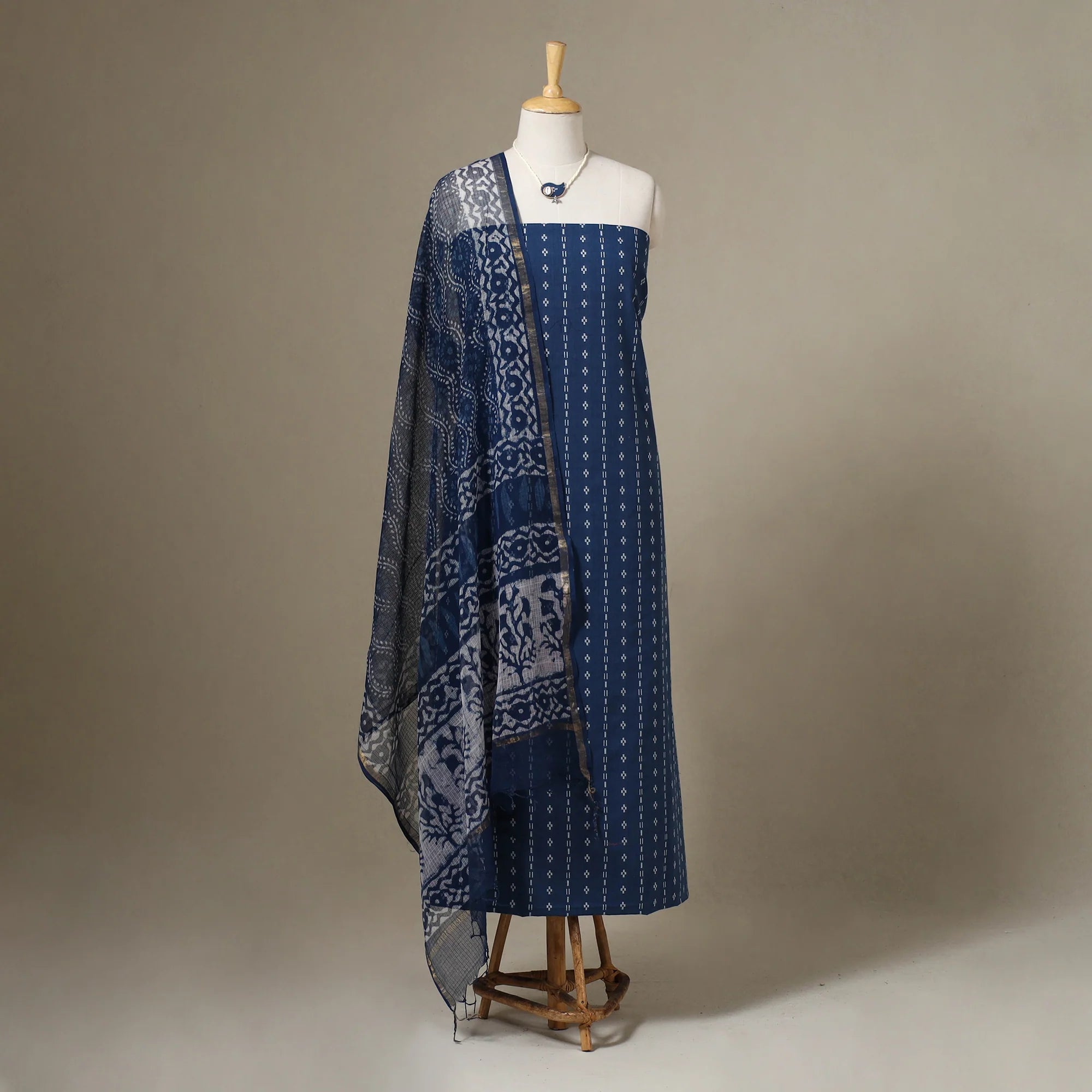
Jacquard Dress Material
If you love to create your own silhouettes, Jacquard Dress Material from iTokri can be your canvas. The root and handle on Jacquard are brushed by traditional Indian artistry; these materials are great for creating wedding wear, work wear, or occasion wear.
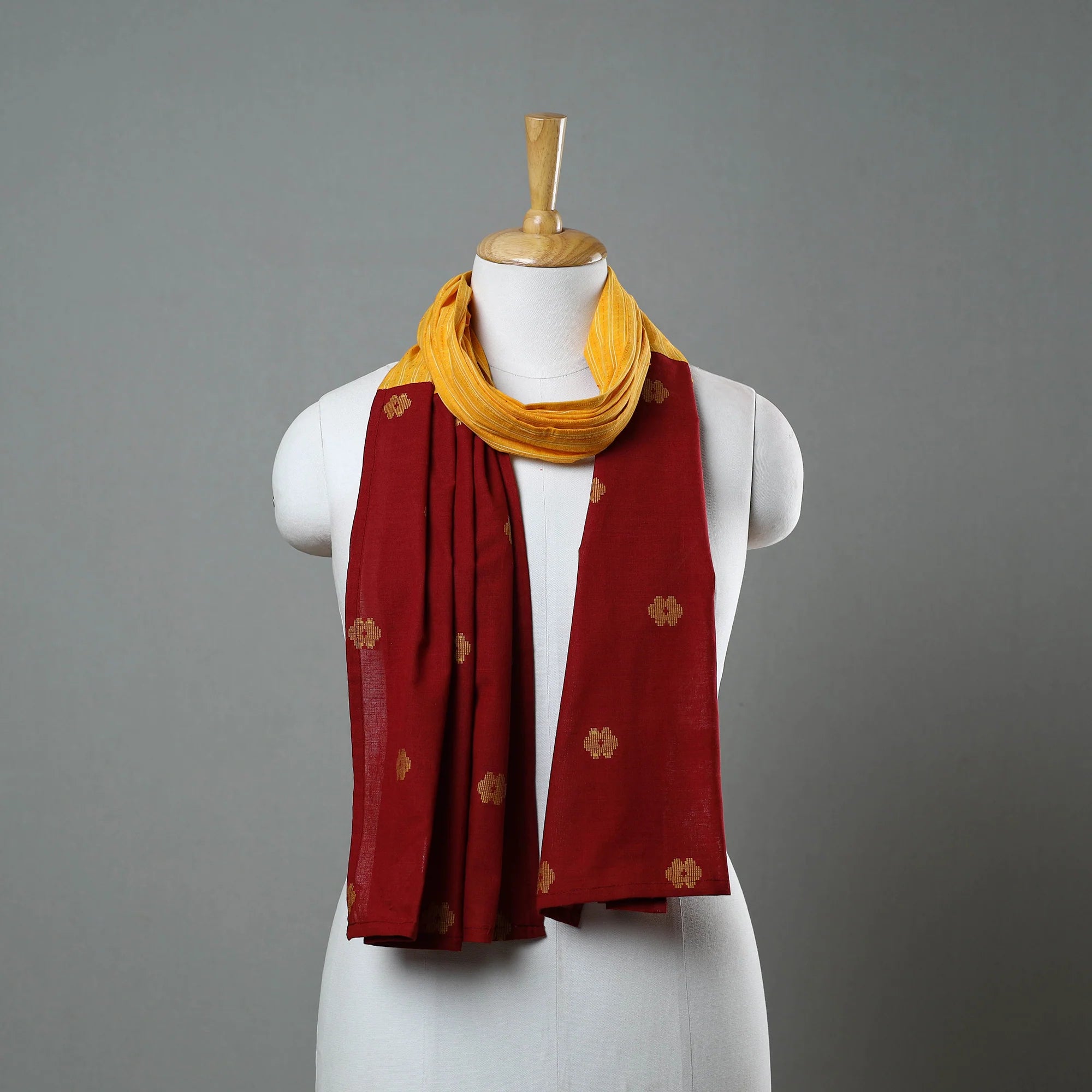
Jacquard Stoles
Our Jacquard stoles are truly wearable pieces of art. No matter if you are styling a plain kurta, or adding that extra touch to your western wear, the bold Jacquard patterns of these stoles that have been made by traditional and modern Jacquard weaving methods can truly anchor your whole look.
Conclusion
Jacquard is a spectacular piece of fabric that has not lost its charm and beauty since its origin in the 4th century. Despite computerised methods, Jacquard weaving maintains a heritage touch through small weavers. In order to promote artisans and Indian handicrafts, iTokri has an exquisite collection of Jacquard fabric curated by the weavers of Tamil Nadu. From elegant home decor items to jacquard nightsuits, we have something for everyone.
Frequently Asked Questions
What kind of fabric is Jacquard?
Jacquard is a type of fabric that has patterns and motifs crafted during the weaving of fabric with a tapestry effect. This fabric comes in a large variety from embellished damask to simple florals.
How is a Jacquard weave made?
The Jacquard weave was made through a special loom that used thousands of punch cards to create patterns on weaving fabric.
What is jacquard weave fabric for?
Jacquard woven fabric is majorly used for home decor, apparel, upholstery, draperies, curtains, etc.
How is Jacquard weaving different from traditional weaving?
In standard weaving, patterns or motifs are added post-production, whereas in jacquard designs, these patterns are woven directly into the fabric using a jacquard loom. Therefore, the biggest difference lies in the Jacquard process itself as it uses punch cards to control each warp thread. This allows complex jacquard patterns to come to the fore that are not possible with regular looms.
What materials can be used for Jacquard weaving?
The Jacquard weaving technique can be applied to a wide range of textiles like cotton jacquard, silk jacquard, linen jacquard, wool jacquard, etc.
Popular Blogs
Leheriya tie-dye techniques | Ajrakh print origin in India | Types of Bandhani patterns and their symbolism | Traditional Sanganeri printing technique | Custom Handmade Stitched Outfits | How to choose fabric | Difference between linen and cotton fabric | GI tag handcrafts in India | Best colour combination for saree


Leave a comment (all fields required)