
 Verified Purchase





Bandhani Fabrics: The Ancient Art That Still Turns Heads
Discover the story, technique, and modern appeal of this iconic tie-dye tradition from India.


From Kutch to Your Closet: The Timeless Beauty of Bandhani Sarees
Explore the heritage, craftsmanship, and charm of Bandhani sarees that never go out of style.


Bandhani Stitched Suit Sets You’ll Love
Discover how Bandhani suit sets blend Indian heritage with effortless contemporary style.


Introduction
A lively, complex, and Algemein Indian tradition, traditional Bandhani is more than just fabric art; it is a tradition of storytelling handed down through generations. Embellished with colourful dots, waves, and floral clusters, Bandhani is one of the world's most beautiful and meaningful textile techniques. It is stunning in its process, history, and cultural practice. Various Indian handicrafts are embedded with bandhani prints to promote awareness about this ancient art form and encourage its sustainable production.
What Is Bandhani?
Bandhani is one of the oldest textile traditions in India, and it is celebrated for its rich cultural roots. The intricate Bandhani technique involves tying thousands of tiny knots by hand before dying. Known for its signature patterns, the Bandhani print features vibrant dots, waves, and floral clusters across fabrics.
The word "Bandhani" derives from the word "bandh" in Sanskrit, which means "to tie." This meaning illustrates the nature of the art, as the fabric is tied into thousands of tiny knots before dyeing, thus making the word and technique symbolic and technical.
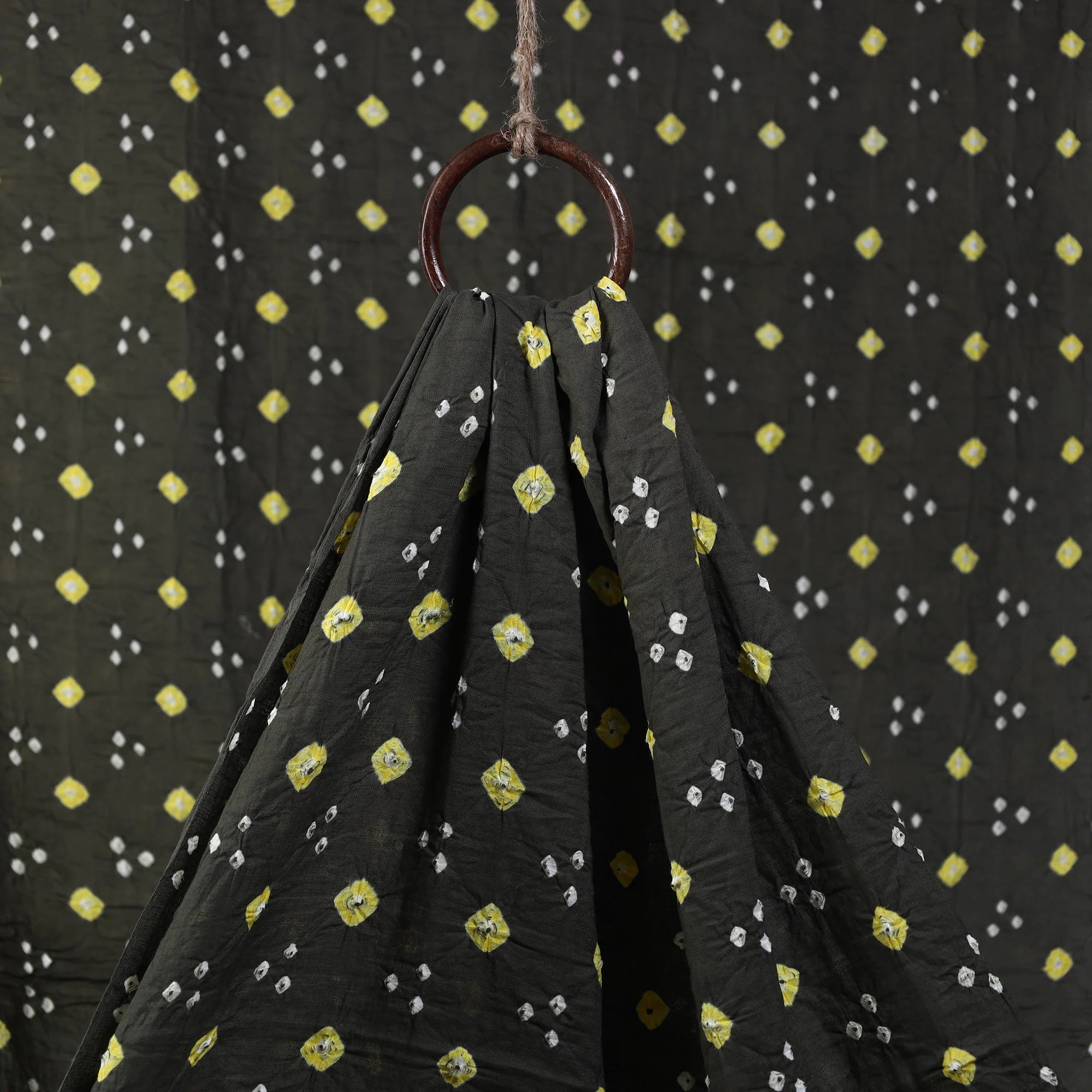
What Distinguishes Bandhani from Other Tie-Dye Methods?
Utilising modern-day tie-dye to reflect colours and swirls in freeform, Bandhani Tie-Dye incredibly differs due to its detailed hand-knotting process; patterns are pre-established to tie, and cultural significance. Bandhani is not simply decorative; it is ritualistic and is always used for major life events or commemorated by festivals.
Bandhani vs Bandhej
Bandhani and Bandhej are often mistaken for different art forms, but are simply regional language differences. Bandhani is the more familiar term used in Gujarat, while Bandhej is the more common word of recognition used in Rajasthan. Both art forms are the same, but regional styles and techniques slightly vary the Bandhani pattern.
Types of Products Made Using Bandhani
The popularity of Bandhani design spans a wide range of Indian garments. These include Bandhani sarees, dupattas, turbans, ghagras, and, more recently, Bandhani kurtis and contemporary apparel. Each item serves different cultural and ceremonial purposes.
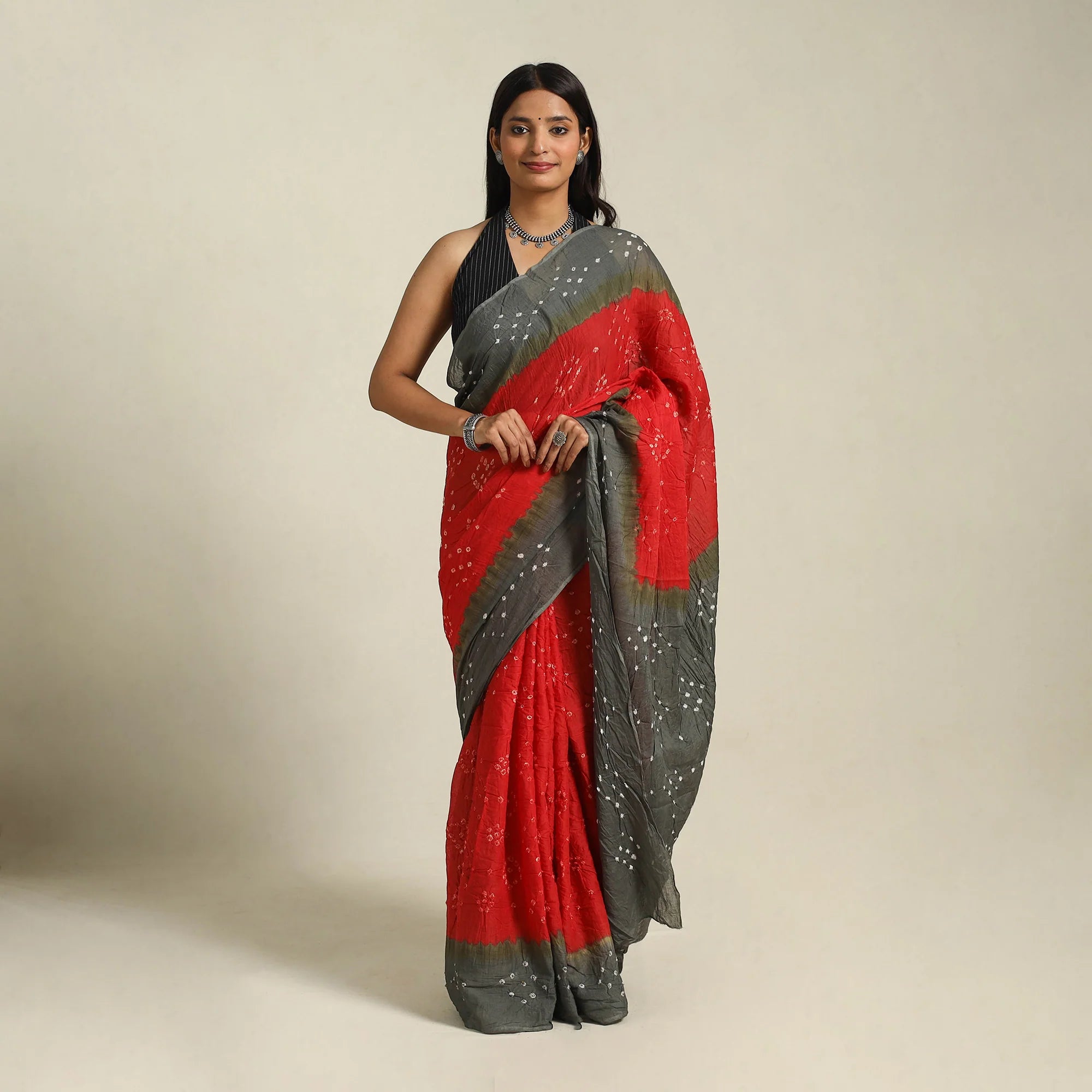
Bandhani Tie-Dye History & Evolution
The Bandhani fabric's history and evolution date back over 5,000 years, with its roots in the Indus Valley Civilisation. Artefacts and texts from Alexander the Great's expeditions even mention Indian-dyed cotton, hinting at Bandhani’s early global presence. [1]
The rich Bandhani history reflects the cultural tapestry of regions like Gujarat and Rajasthan, where this tie-dye art has flourished for centuries. These lands nurtured the craft and gave birth to specialised communities like the Khatris [2], who have preserved and passed down the skill for generations. Their intricate Bandhani artwork symbolises tradition, spiritual protection, and cultural identity.
Video Credit:- Akshada Patel
Regional Variations: Bandhani Craft Across India
In India, different states have witnessed the origin of the bandhani art form in their own stride.
Gujarat
The history of Bandhani is closely linked with the Khatri community of Gujarat and Rajasthan. Famed for knitting thousands of hand-knotted dots, or “beendni”, they expertly weave plain fabric squares into complex textures of cultural narrative.
Gujarat is a major hub for Bandhani craft, especially in cities like Jamnagar, Rajkot, Bhuj (Kutch), Surendranagar, and Mandvi. The Bandhani print originates in this region and is often marked by patterns such as Boond, Ek Dali, Jaaldar, and Trikunti. Popular colours include red, maroon, yellow, and green. Bhuj, in particular, is known for producing red Bandhani with an exceptional sheen, attributed to the unique mineral composition of its local water.
Rajasthan
In Rajasthan, Bandhani takes on a more ornate character. Key centres include Jaipur, Udaipur, Jodhpur, and Bikaner. Here, the famous Leheriya or diagonal tie-dye pattern often complements traditional Bandhani. Turbans, odhnis, and ghagras made with Bandhani are worn as symbols of pride, caste, and occasion.
Madhya Pradesh and parts of Uttar Pradesh.
The bandhani origin also touches parts of Madhya Pradesh and Uttar Pradesh. Here it is known as ‘Bandhej’.
Sindhi Bandhani- now mostly in Pakistan
''Chunri" is the common name of the bandhani art form in Pakistan, particularly in the Sindh region.[3]
Step-by-Step Traditional Bandhani Tie-Dye Process
Before mastering complex arrangements, beginners usually practice with easy Bandhani motifs such as dots (Boond) or small floral patterns. So, how is Bandhani tie-dye made step by step? Let's have a look.
-
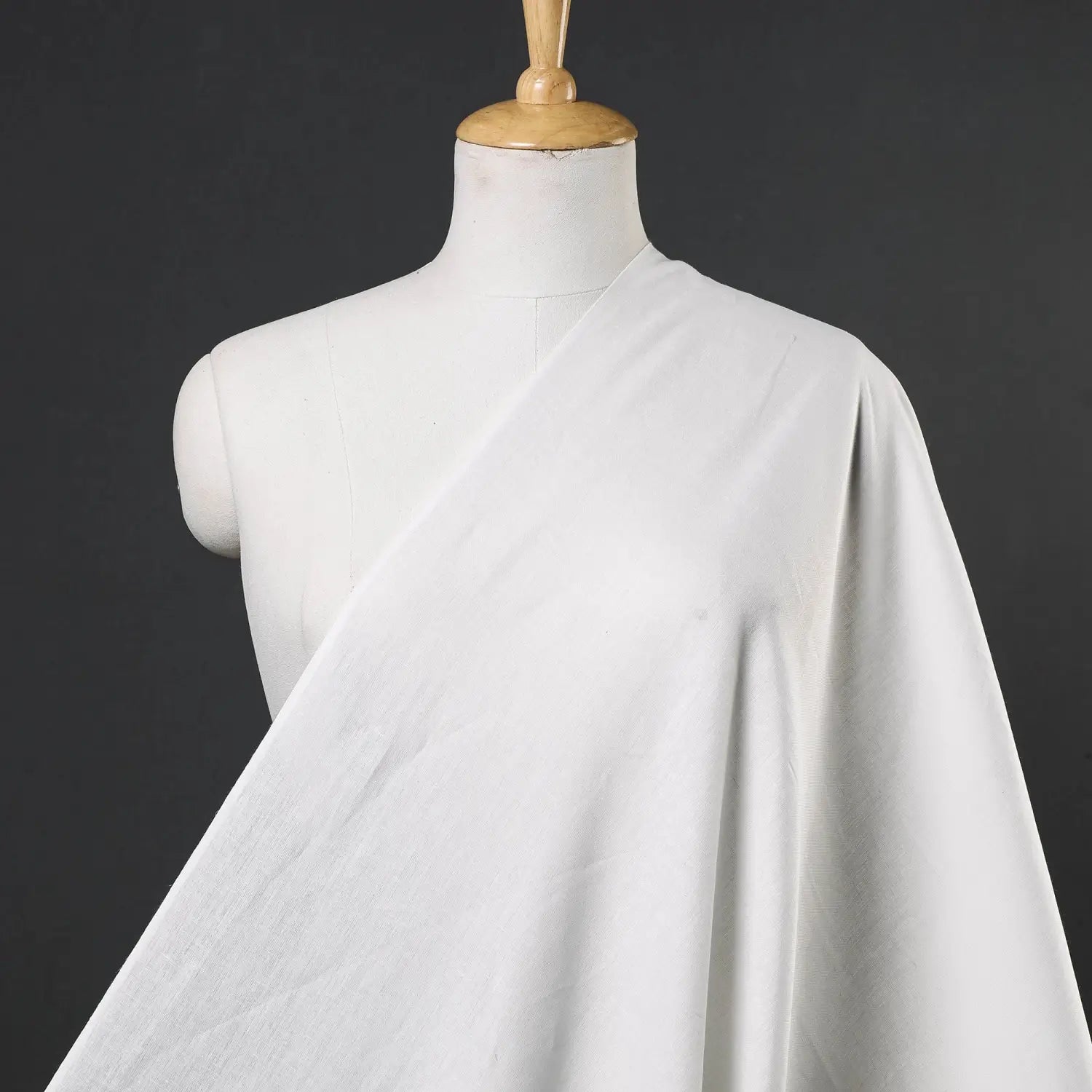
Fabric Selection
Preferred fabrics include cotton, mulmul, chiffon, georgette, and silk.
-
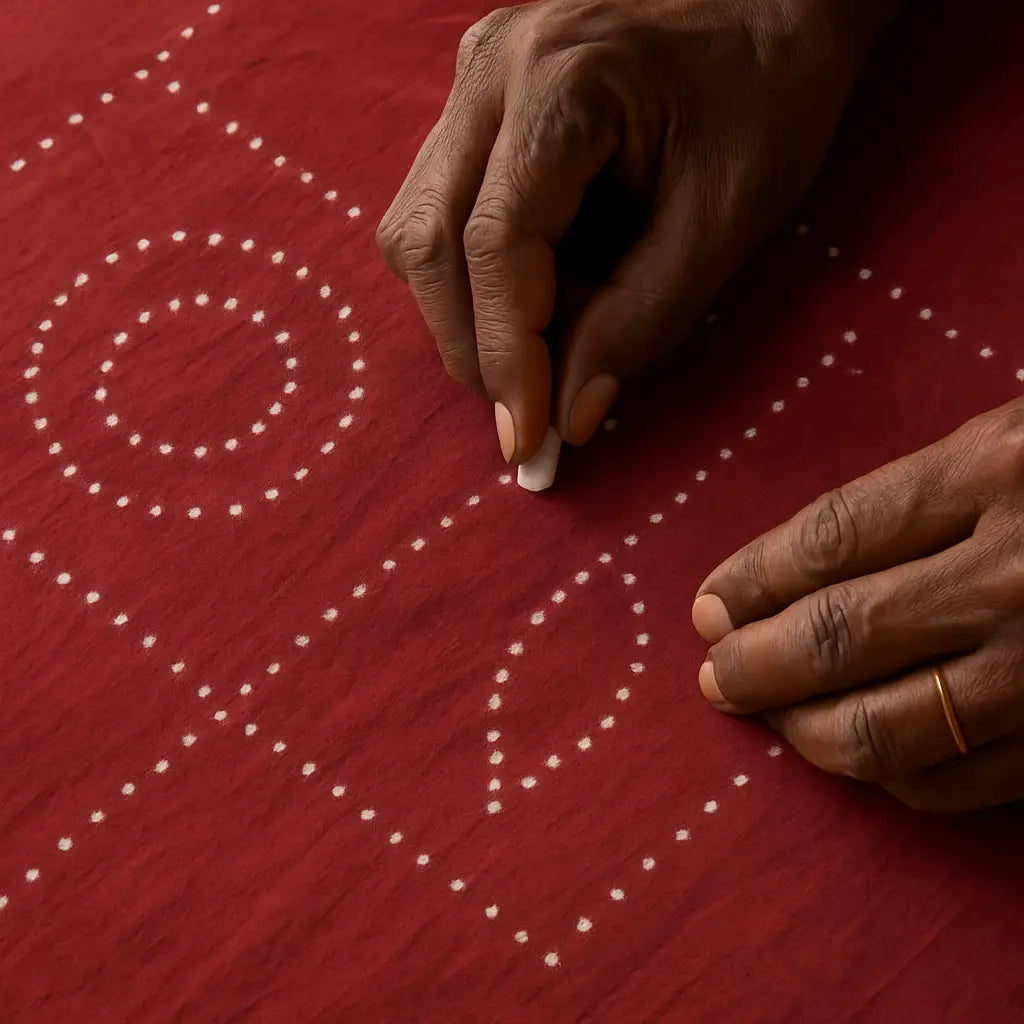
Design Mapping
Artisans map out the design using chalk or charcoal dots.
-
Tying (Bhindi)
Every dot is plucked and tied with thread to form intricate knots.

-
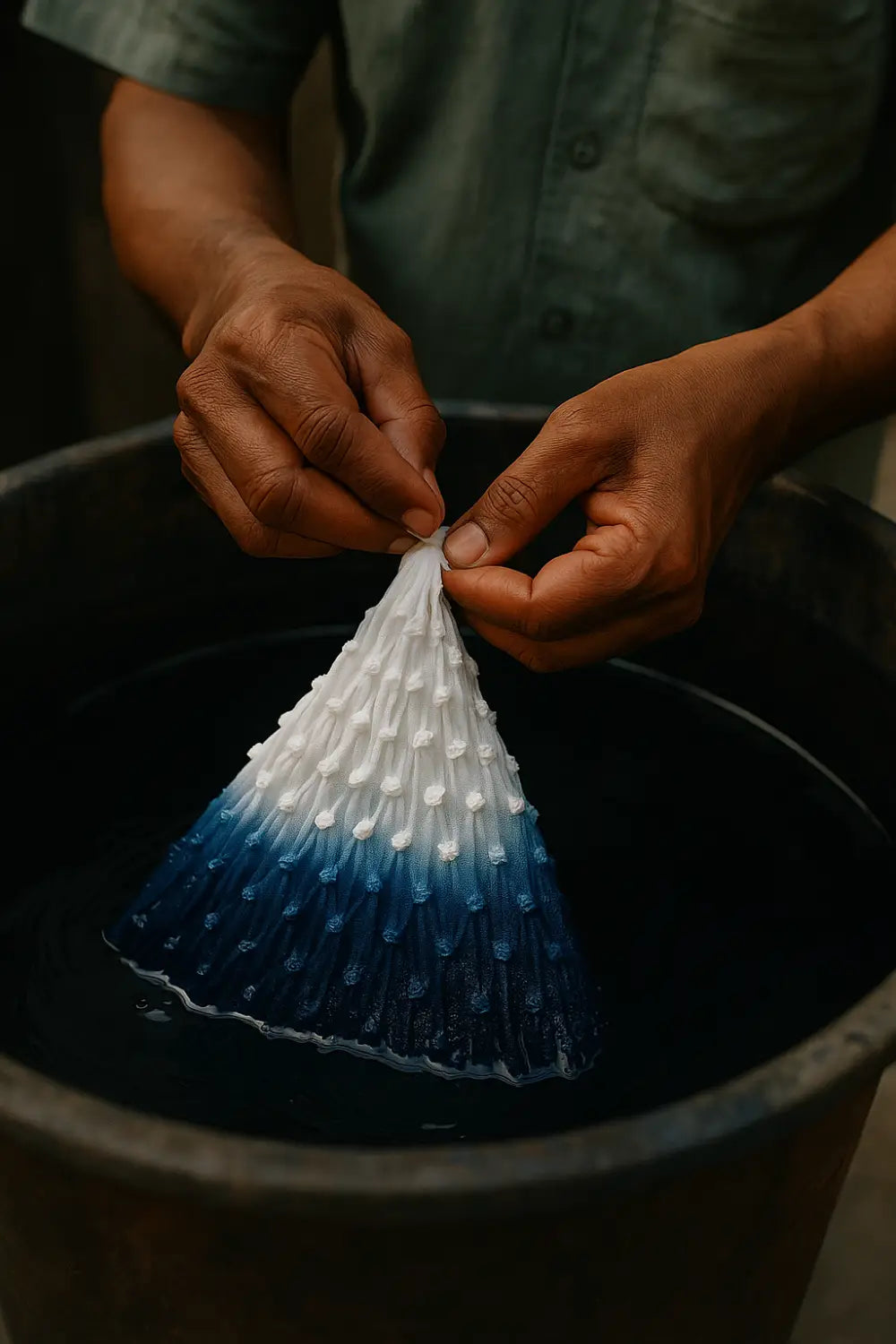
Dyeing
Natural (turmeric, indigo) or synthetic (azo-free) dyes are used, often in multiple stages.
-
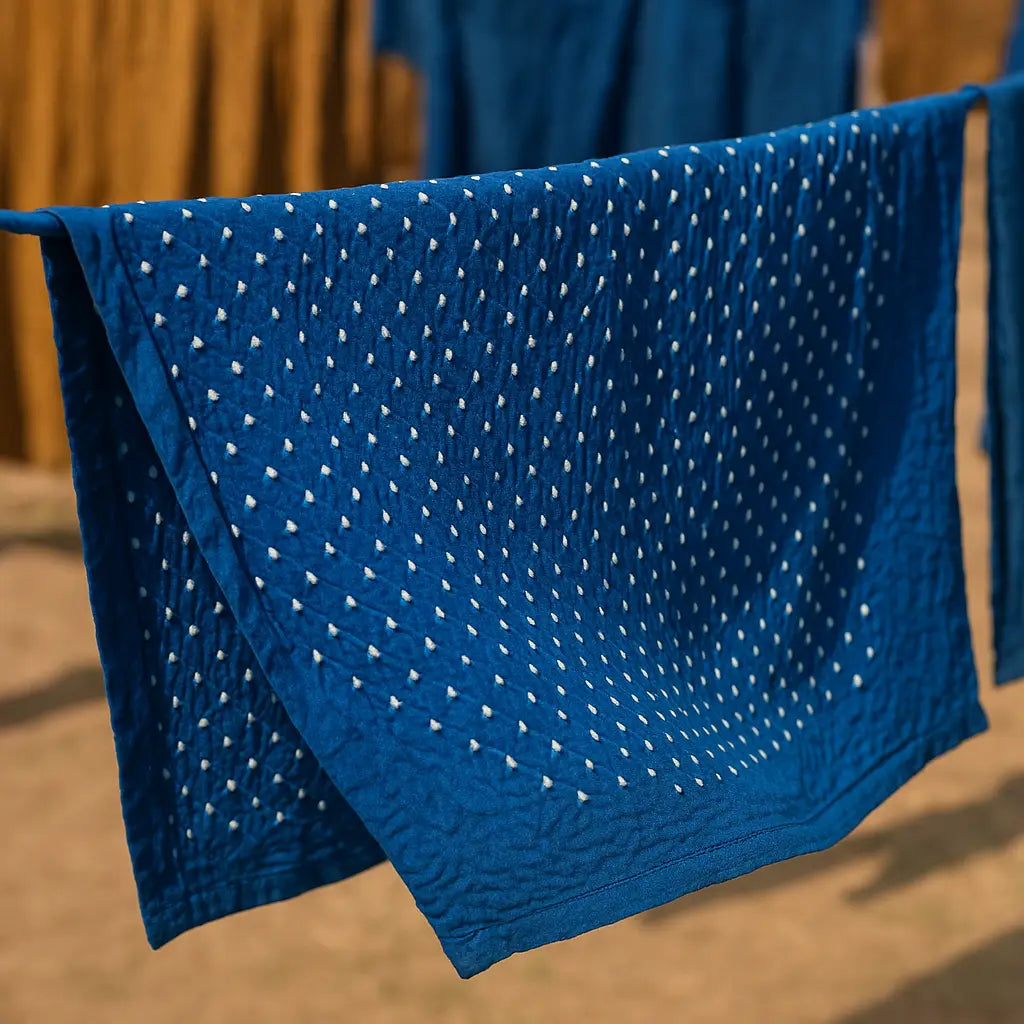
Drying and Finishing
After dyeing, the knots are untied, and the cloth is sun-dried.
-
Tools & Materials
-
Threads
Cotton, silk, wool, or synthetic threads are used to tie the fabric before dyeing to create vibrant patterns in the Bandhani art form.
-
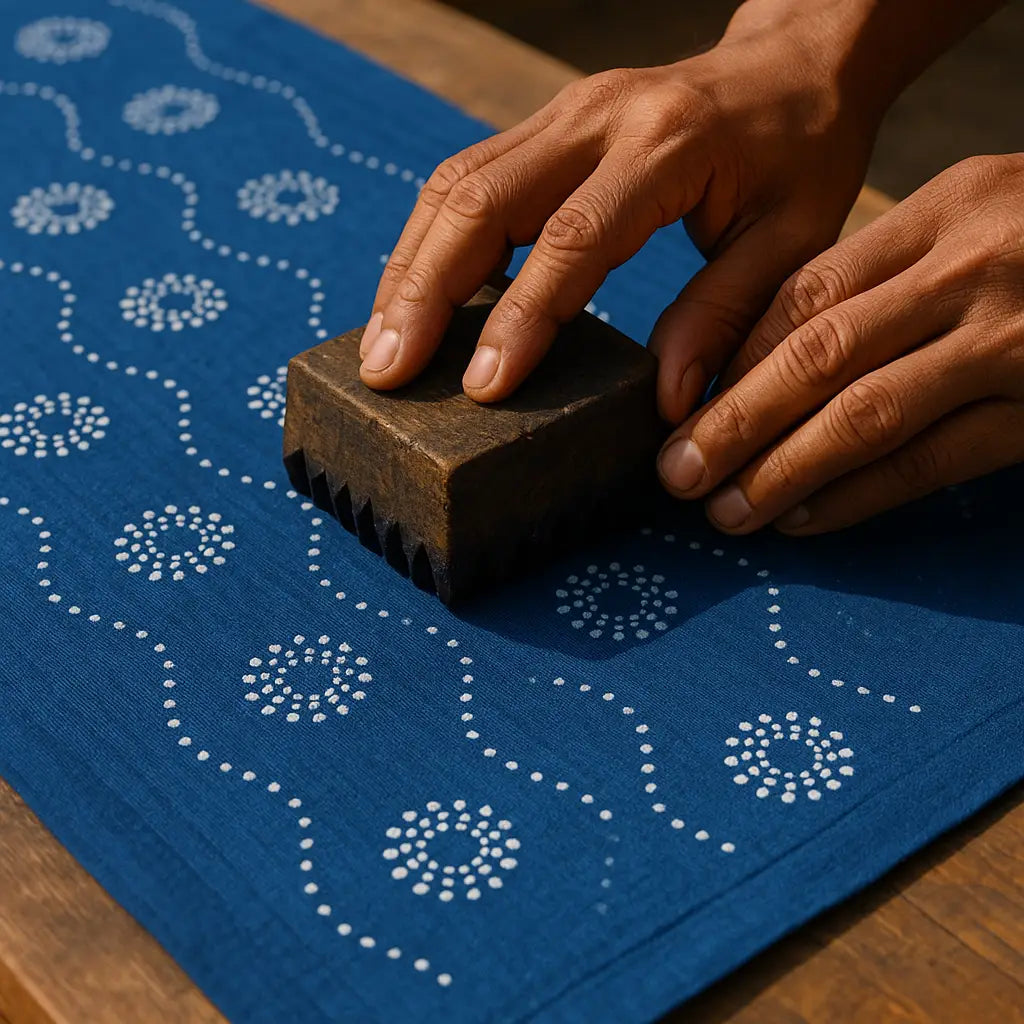
Wooden blocks for pattern tracing
In modern variations of bandhani prints, wooden blocks are used for pattern tracing. The blocks are dipped in various dyes and pressed on the fabric to create the desired design.
-
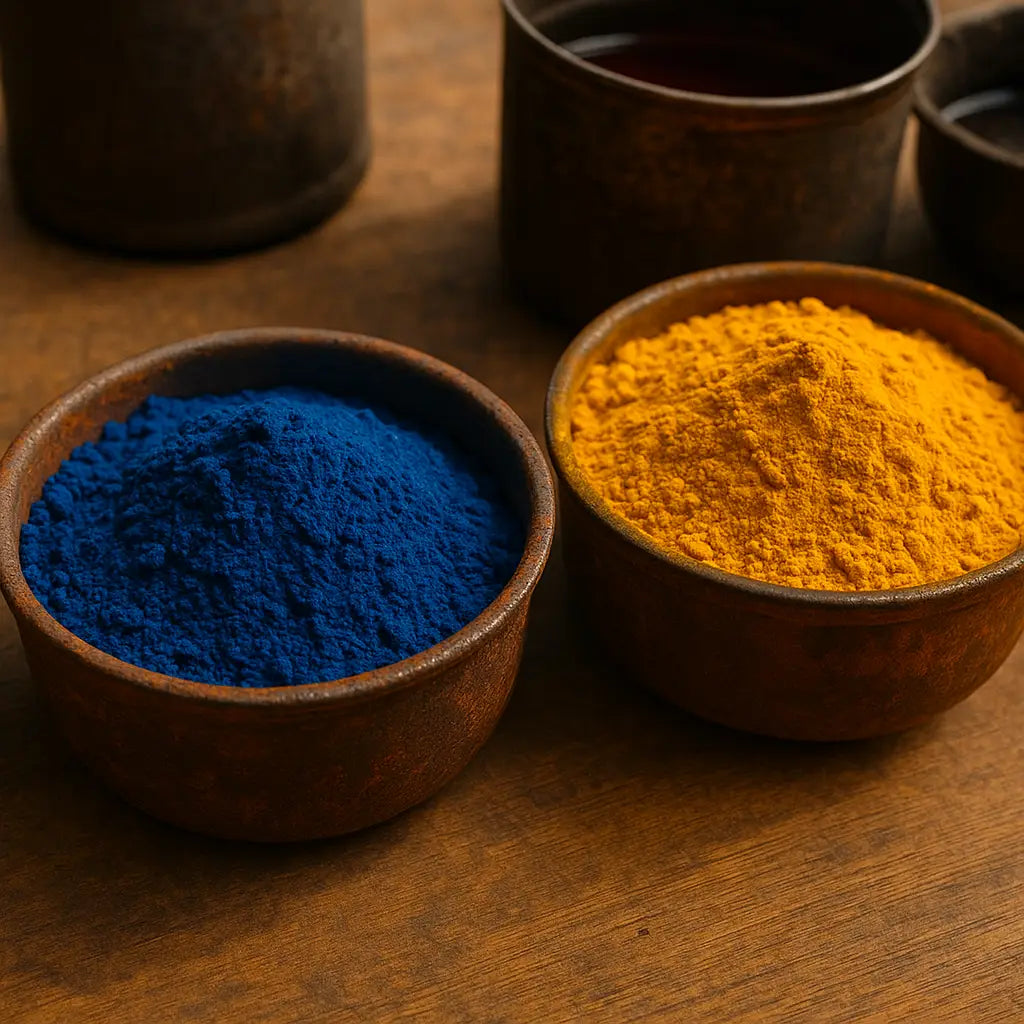
Dyes
Traditionally, bandhani printing was done using natural dyes like indigo (blue) and turmeric (yellow). Today, synthetic azo-free dyes are used for brighter and longer-lasting fabric printing.
Understanding Bandhani Patterns, Colours, and Their Symbolism
A. Common Bandhani Patterns
|
Pattern Name |
Visual Appearance |
Symbolism / Cultural Relevance |
Regions Where Popular |
|
Boond |
Small circular dots are uniformly placed |
Symbol of rain, fertility, and abundance |
Gujarat (especially Jamnagar) |
|
Laddu Jalebi |
Spiral formations resembling Indian sweets |
Celebratory motif, often used during festivals and joyful occasions |
Rajasthan (Jaipur, Udaipur) |
|
Leheriya |
Diagonal wave-like stripes |
Represents flowing water, movement, and positivity |
Rajasthan (especially Jodhpur) |
|
Bavan Baug |
Intricate floral layout of 52 tiny motifs |
Symbol of beauty, fertility, and garden-like prosperity |
Bhuj and Mandvi in Kutch region |
B. Colour Symbolism in Bandhani
Some of the main cities of Gujarat, where Bandhani is created are, Rajkot, Mandavi, Jamnagar, among others. The famous city of Bhuj is well known for its traditional red bandhani pieces. This city is also acclaimed for the water that runs through the area, and is said to give a particular sheen and brightness to the color, specifically those in the shades of red and maroon.
The cultural meaning behind Bandhani patterns in India is deeply symbolic and varies by color.
|
Color |
Symbolism |
Cultural & Ritual Usage |
|
Red |
Symbol of marriage, fertility, and love |
Most commonly used in bridal sarees and dupattas. Considered essential in the wedding trousseau across Gujarat and Rajasthan. Red Bandhani is also worn by newlyweds during post-marriage rituals. |
|
Yellow |
Signifies auspicious beginnings, sanctity, and joy |
Worn during baby showers, Haldi ceremonies, and festive religious occasions. It marks spiritual purity and is often the first colour worn during a new phase in life. |
|
Green |
Denotes prosperity, harmony, and new growth |
Worn during Eid, harvest festivals, and community events. Associated with well-being and balance, often gifted to newly married women or expectant mothers. |
|
Indigo / Black |
Used to ward off evil, negativity, and bad omens |
Seen during rituals for protection, especially among Rajput and Marwari communities. Indigo Bandhani is also worn by elders or during mourning to absorb negative energy. |
Cultural and Social Importance of Bandhani in Indian Traditions
What is Bandhani, and how is it made? More than just a tie-dye technique, Bandhani holds deep cultural meaning and is an essential part of Indian ceremonial life. Its significance is especially seen in traditional Indian tie-dye techniques explained through community customs and rites of passage.
Bandhani as a rite of passage
Have you ever wondered why Bandhani is important in Indian weddings? It symbolises purity, prosperity, and tradition, especially the significance of the red Bandhani saree in Indian culture, making it essential for bridal attire and sacred rituals.
Community-specific traditions
The Rabari, Rajput, Marwari, and Sindhi communities integrate Bandhani into their cultural identity. Each group has distinct ways of wearing Bandhani, reflecting regional pride and spiritual symbolism.
Rituals involving Bandhani turbans and sarees
Men wear Bandhani turbans during weddings and religious events, while women adorn Bandhani sarees and Bandhani dupattas, expressing grace, heritage, and continuity.
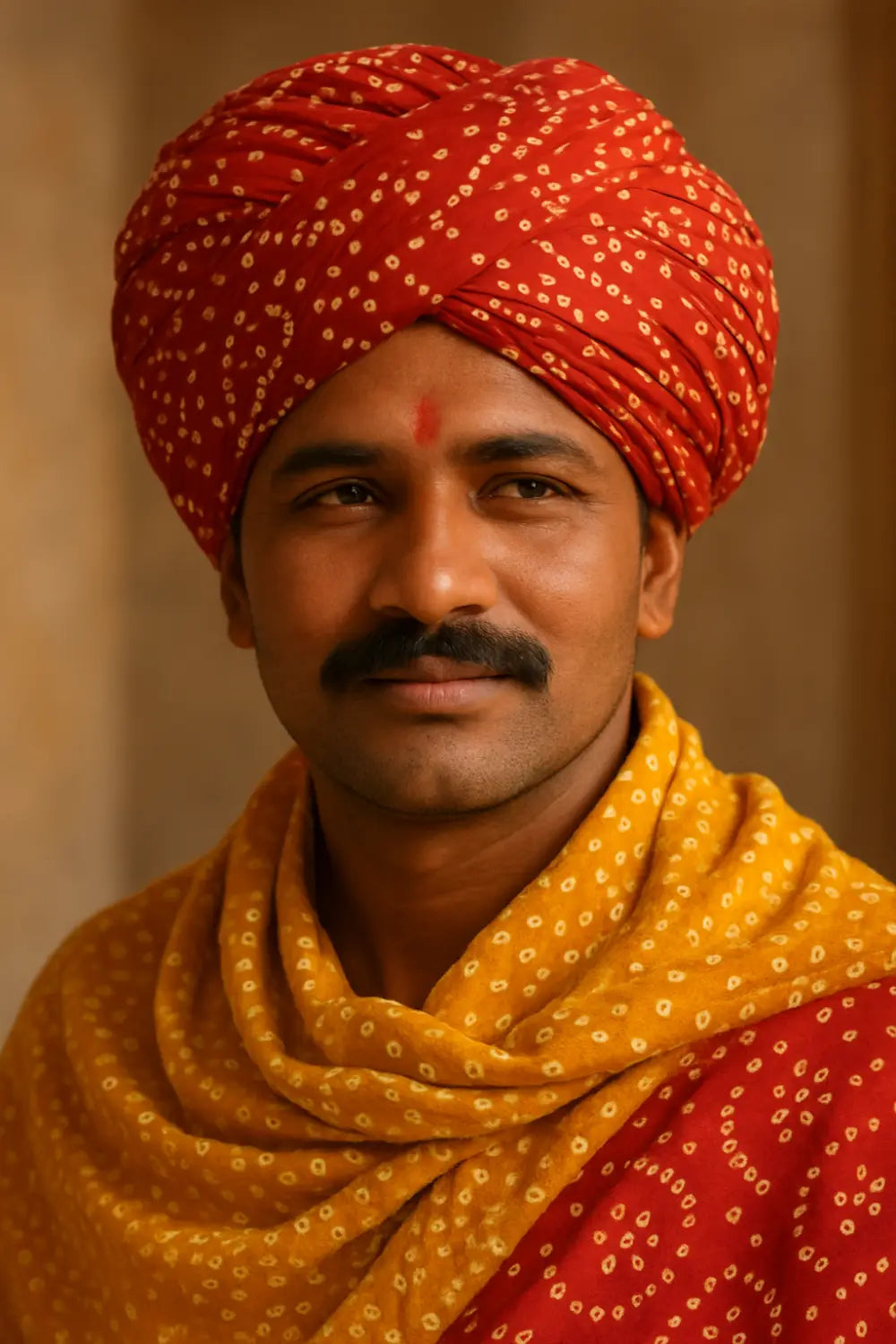
Festivals where Bandhani is traditionally worn
Bandhani garments are considered auspicious during Teej, Gangaur, and Navratri. Their bright patterns and symbolism resonate with these festivals' celebratory spirit and devotion.
How to Identify Authentic Bandhani and Where to Buy Online?
Wondering how Bandhani tie-dye is different from modern tie-dye?
Selecting real Bandhani is easier than you think:
-
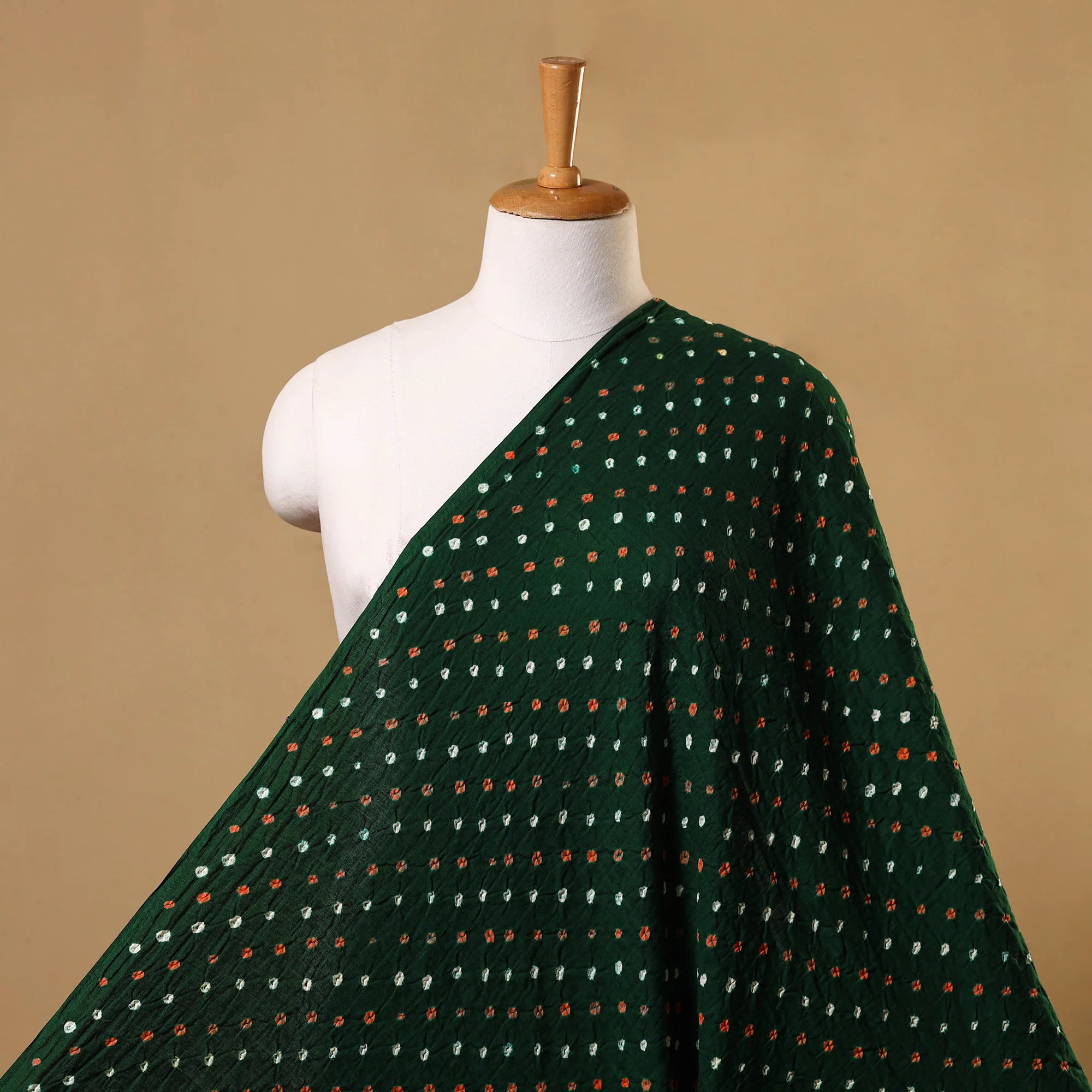
It has a crinkled texture.
-
Each motif has a visible tie mark in the centre.
-
The designs are asymmetric yet organic, unlike the symmetry of machine-printed fabrics.
This is how you draw the difference between Bandhani and modern tie-dye.
Wondering why Bandhani is making a comeback in fashion?
Owning a bandhani piece evokes nostalgia for the origin of the Bandhani tie-dye in India, where heritage and artistry began.
How is iTokri Helping in Preserving the Art of Bandhani?
iTokri, an Indian handicraft platform, has been crucial in preserving and promoting Bandhani art. Working directly with artisan clusters across Gujarat and Rajasthan ensures that traditional crafts remain sustainable in the modern economy. Their efforts also support the financial independence of rural women artisans.
Here’s how iTokri supports the Bandhani-making process:
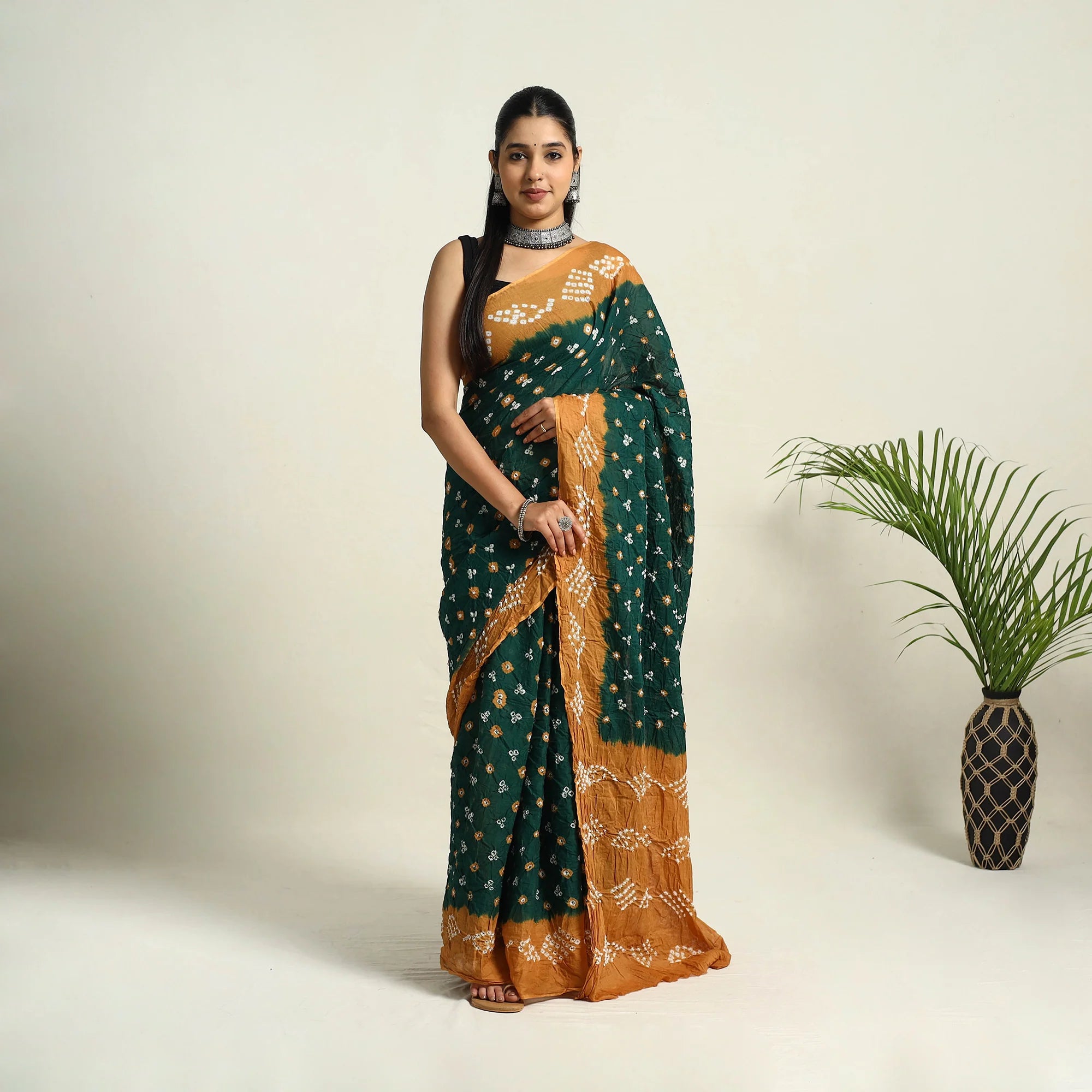
1. Bandhani Sarees
They offer hand-tied and naturally dyed Bandhani sarees in cotton and silk, which are ideal for traditional ceremonies.
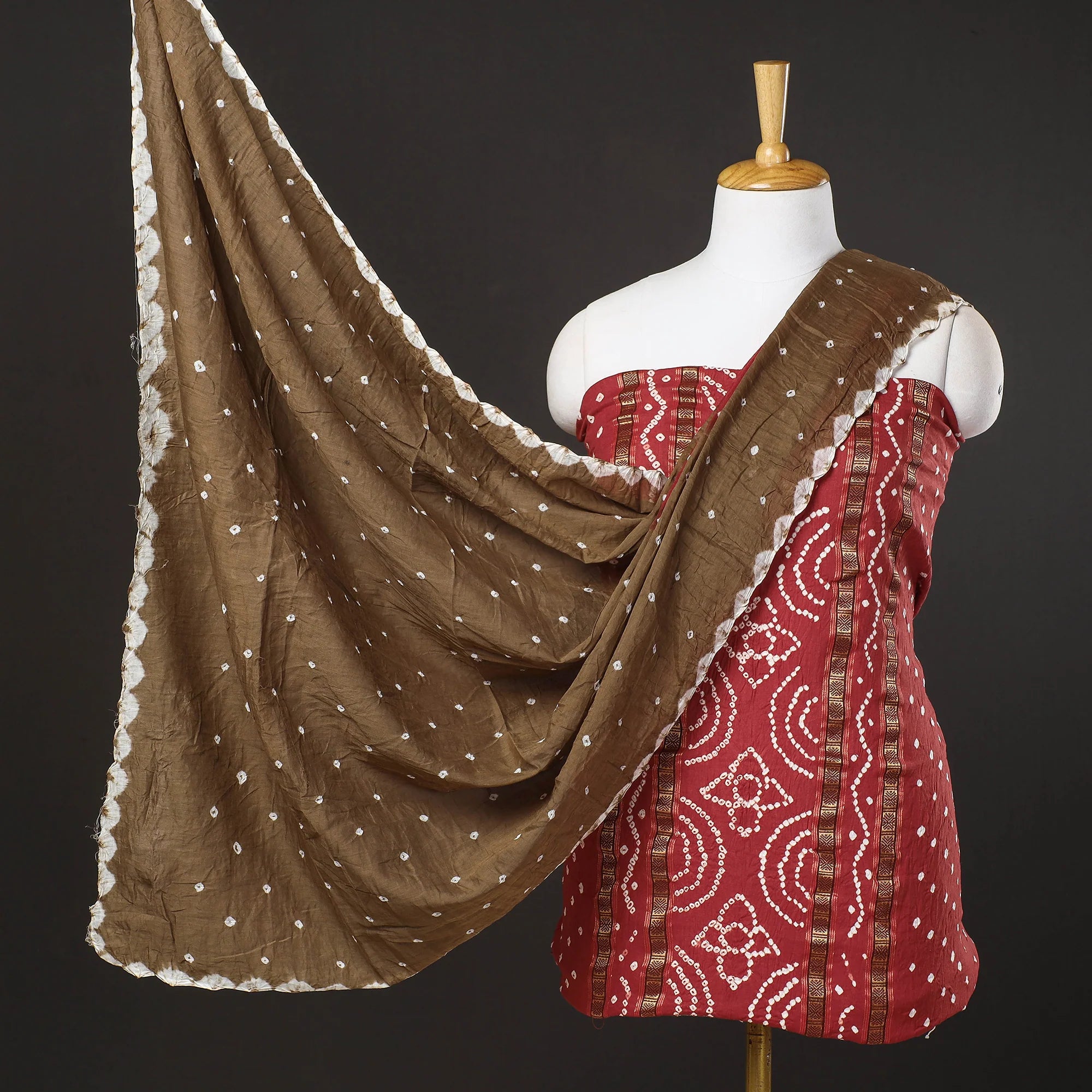
2. Bandhani Dress Material
Customers can buy unstitched Bandhani design dress materials in various colours and patterns, ready for custom tailoring.
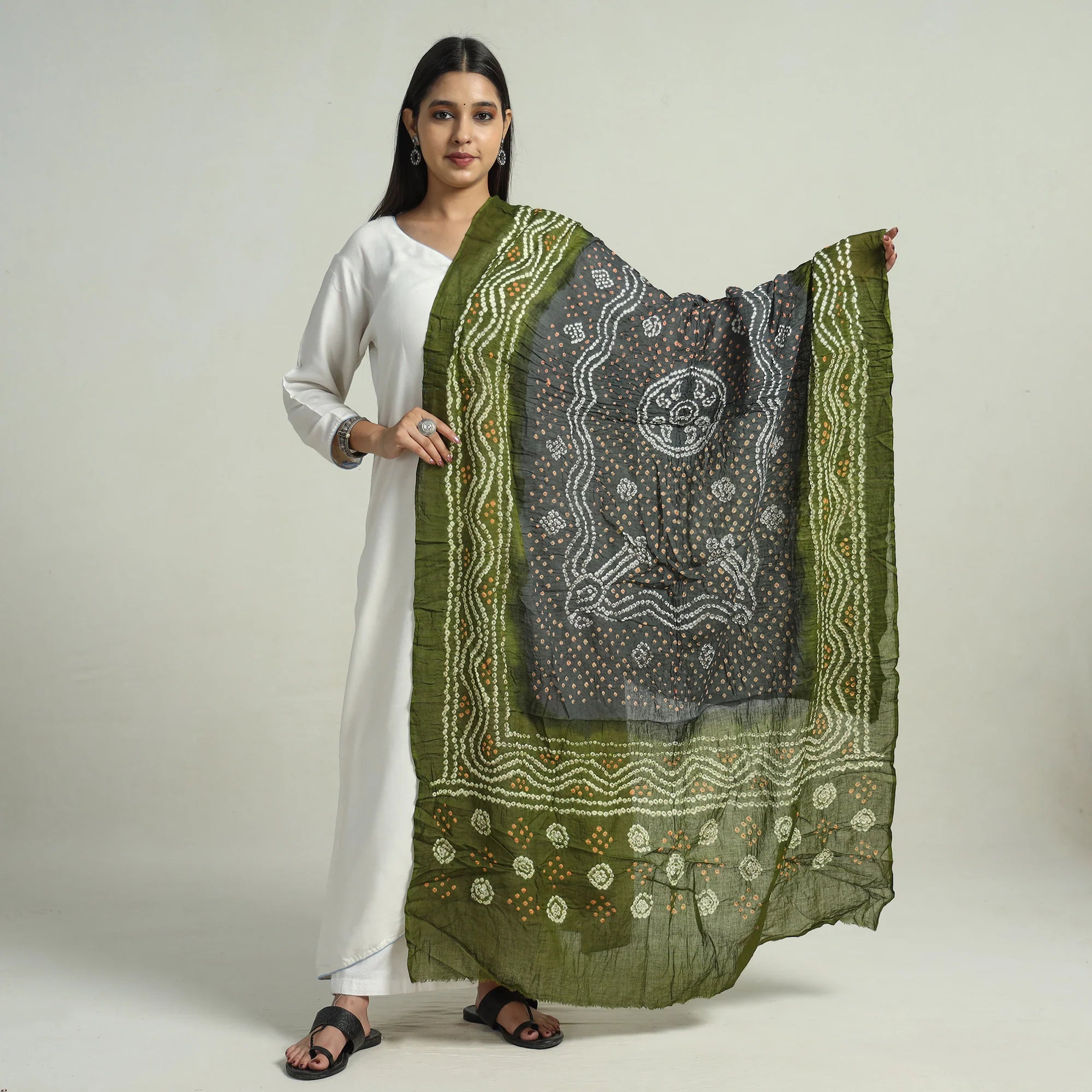
3. Bandhani Dupatta
Dupattas with Bandhani print are widely used to add festive flair to everyday outfits or to complete bridal ensembles.
4. Bandhani Fabric
Bulk Bandhani fabric is available for designers or crafters, keeping the supply chain rooted in tradition.
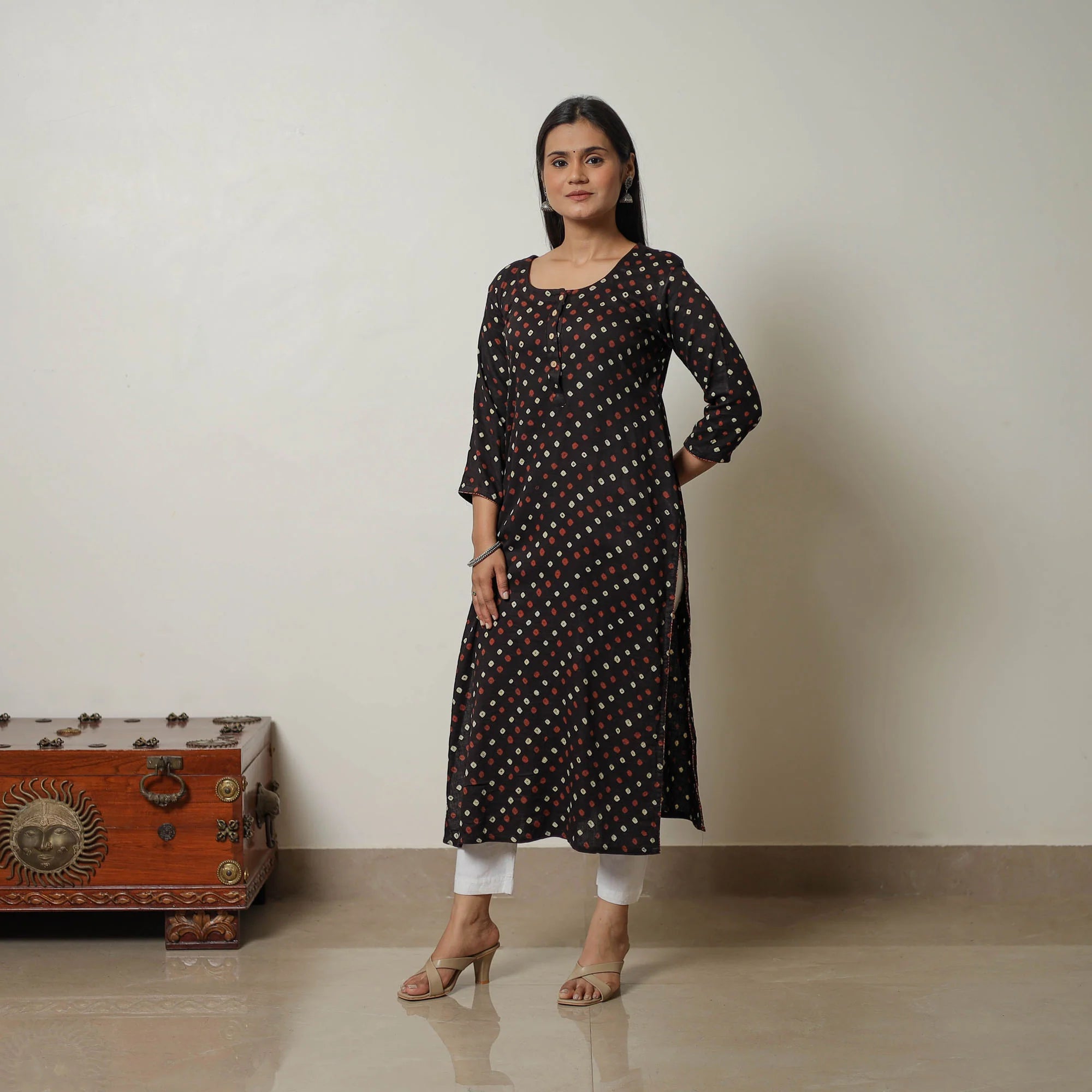
5. Bandhani Kurtis
Ready-to-wear Bandhani kurtis are a modern twist on this ancient art, blending comfort and culture for the urban wardrobe.
FAQ’s:
-
What does Bandhani symbolise?
Bandhani sarees are generally a tye-dye textile, practised mainly in states like Rajasthan, Gujarat, and in states of Uttar Pradesh. It is even said that wearing a bandhani saree can bring good luck and fortune to the bride.
-
Where does the Bandhani art of tie and dye belong?
The Bandhani art of tie and dye belongs to Gujarat, especially the red Bandhani. It is also practised in Rajasthan, a state in India.
-
What is special about Bandhani?
Bandhani is one of the oldest known methods of tie-dyeing; They are still practised in western India today. The Bandhani fabric is made initially from small portions of cloth, and tying them by plucking the cloth with the fingernails into many tiny bindings to form an intricate pattern of dots.
-
Are bandhani and bandhej the same?
Yes, Bandhani and Bandhej are the same. The name Bandhani is derived from the Sanskrit term, which means tying a craft.
-
What is the difference between Bandhani of Gujarat and Rajasthan?
There are quite a lot of differences in the colours when it comes to bandhani wear made in Gujarat and Rajasthan. Also, the designs are also different in both areas.
-
What fabric is used for Bandhani dyeing?
Cotton, georgette, silk, chiffon, and mulmul are the most popular choices. These fabrics hold the dye well and enhance the intricacy of Bandhani's artwork.
-
How is Bandhani tie-dye made step by step?
It begins with fabric selection, design marking, intricate knotting, dyeing, drying, and finally, untying the threads. This detailed step-by-step process of making Bandhani fabric is entirely done by hand.
-
What do the patterns and colours signify?
The types of Bandhani patterns and their symbolism vary—dots (Boond) symbolise blessings, waves (Leheriya) indicate energy, and spirals reflect festivity. According to the cultural meaning behind Bandhani patterns in India, red signifies marriage, yellow means new beginnings, and green represents prosperity.
-
How should I care for Bandhani garments?
To preserve the delicate Bandhani design, hand wash in cold water, avoid harsh detergents, and dry in the shade. Gentle care ensures your Bandhani print remains vibrant over time.
-
Can Bandhani fade over time?
Yes, over-washing or sun exposure can fade the Bandhani tie-dye. But with proper care, especially for pieces made using natural dyes, the colours soften gracefully while maintaining their charm.
-
Is Bandhani eco-friendly?
Yes, Bandhani is eco-friendly and sustainable when artisans use natural dyes and traditional methods. The bandhani-making process has a low environmental impact and supports rural livelihoods, making it a sustainable fashion choice.
Citations
Our Popular Blogs


Leave a comment (all fields required)