
 Verified Purchase





Batik Fabrics: Where Art Meets Textile Tradition
Discover what makes batik fabrics an iconic symbol of textile artistry.


Batik Bed Covers That Tell a Story
Elevate your bedroom with ethically made batik bed covers that bring handcrafted stories into your daily living.


Revive Your Look with the Charm of Batik Dupattas
Give your ethnic wear a refreshing twist with dupattas


Introduction
As Anna Sui has said, “Every time I wanted to give up, if I saw an interesting textile, print whatever, suddenly I would see a collection.”
One such inspiring textile art form is Batik. Batik art has been passed down through generations, and over the years, it has snowballed so much love that it is as relevant today as it was back in the 6th century. In this blog, we will dive deep into the intricacies of Batik art. This art form present on various Indian handicrafts has now moved to Indonesia, Malaysia, Sri Lanka, Thailand and the West. By the end of this blog, you will have no doubts about Batik and its current status in Indian heritage !
What is Batik?
Batik is an Indonesian dyeing technique that uses a wax-resist dyeing technique all over the cloth to create gorgeous patterns and designs. These patterns are mostly done through dots or lines. Due to the intricate process of Batik dye, the cotton looks cracked. However, the process being simple, anyone can master it with little dedication and time devotion.
Various types of batik techniques are practised throughout the world. This list features Batik Lukis, Tie Dye Batik, Batik Blok, and Tulis.
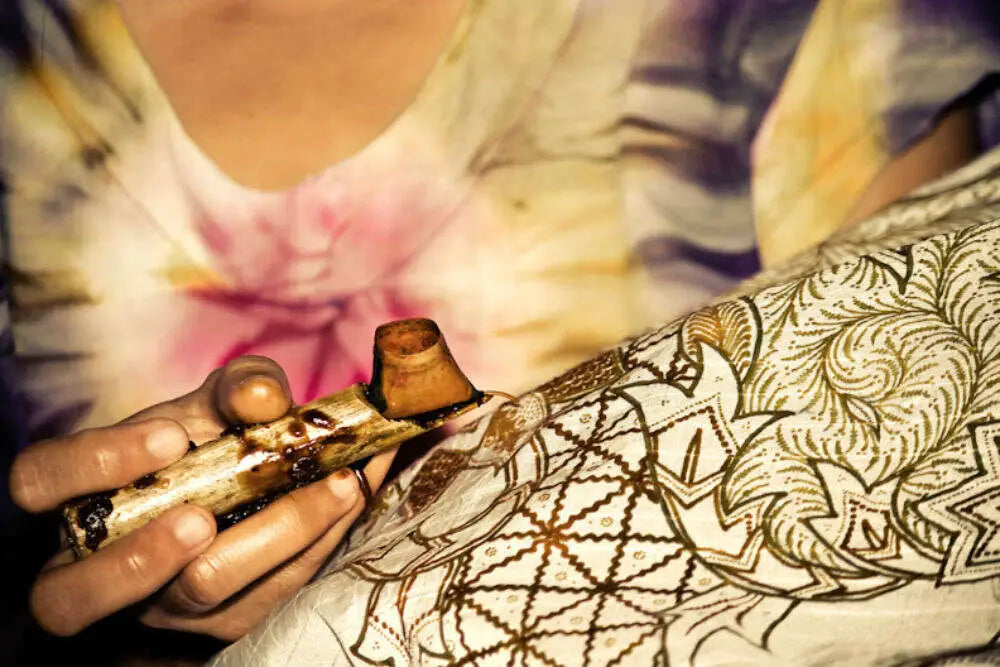
Image Credit:- Times of india
Origin & History of Batik
Having understood what Batik is, we will now move to batik print history and origin:
-
The term “Batik” [1] is derived from the Javanese language. “Batik” is an Indonesian-Malay word. Its root word “ambatik” translates to “process of marking with spots or dots”.
-
The origin of Batik is quite debatable. Some theories suggest that it originated on the island of Java in Indonesia, where its history dates back over 2000 years. On the other hand, some theories [2] claim it originated in Sri Lanka during the 6th or 7th century, from where it spread to Indonesia.
-
Beyond Indonesia and Sri Lanka, the batik print technique was found in the Middle East, Thailand, and elsewhere. There is evidence of the history of Batik in India in Maharashtra State. During the early 19th century, Batik print design witnessed the peak of its popularity.
Video Credit:- Galli Creative
Batik Printing in India – A Legacy of Art and Craftsmanship
-
Batik printing in India spread through caravan trade routes as travellers moved from one place to another.
-
Indian Batik history is diverse. Batik flourished in India across regions like Gujarat, West Bengal, and Madhya Pradesh. In Gujarat’s[3] Kutch region, the Khatri community popularised Batik. Shantiniketan introduced Tuli Batik using brushes, while in Madhya Pradesh, artist Abdul Rahim Gutti helped revive it among the Chhipa community.
-
Batik lost some of its appeal because the traditional artisans in India thought it was a time-consuming process. Then, Rabindranath Tagore brought it back to life in the early 1900s. When Tagore travelled to Java in 1927, he was awed by the batik work there. He returned to India with a few pieces of batik cloth.
-
Indian artisans created their versions of batik prints. In Gujrat, the designs were bold and geometric. In West Bengal, the artisans mostly used intricate batik patterns.
-
The local artisans and traditional communities play a great role in preserving traditional Batik art today. Artisans have passed down the skill through generations, supporting community-based livelihoods through hand-crafted textile production.
Process of Batik Printing
This ancient dyeing technique is done by following a certain number of steps.
Step 1: Application of Wax
The first step is to create a Batik design on the fabric and then apply the wax to the entire cloth. The application should be done using the pattern on the fabric. You should pick either white or beige Batik Print Material for an authentic appearance.
Image Credit:- Waxon studio
Step 2: Dyeing
Once the designing and waxing are done, you must start the fabric's batik dyeing process. The part where the wax was applied will appear white after the dye. Indigo dye is used mainly.
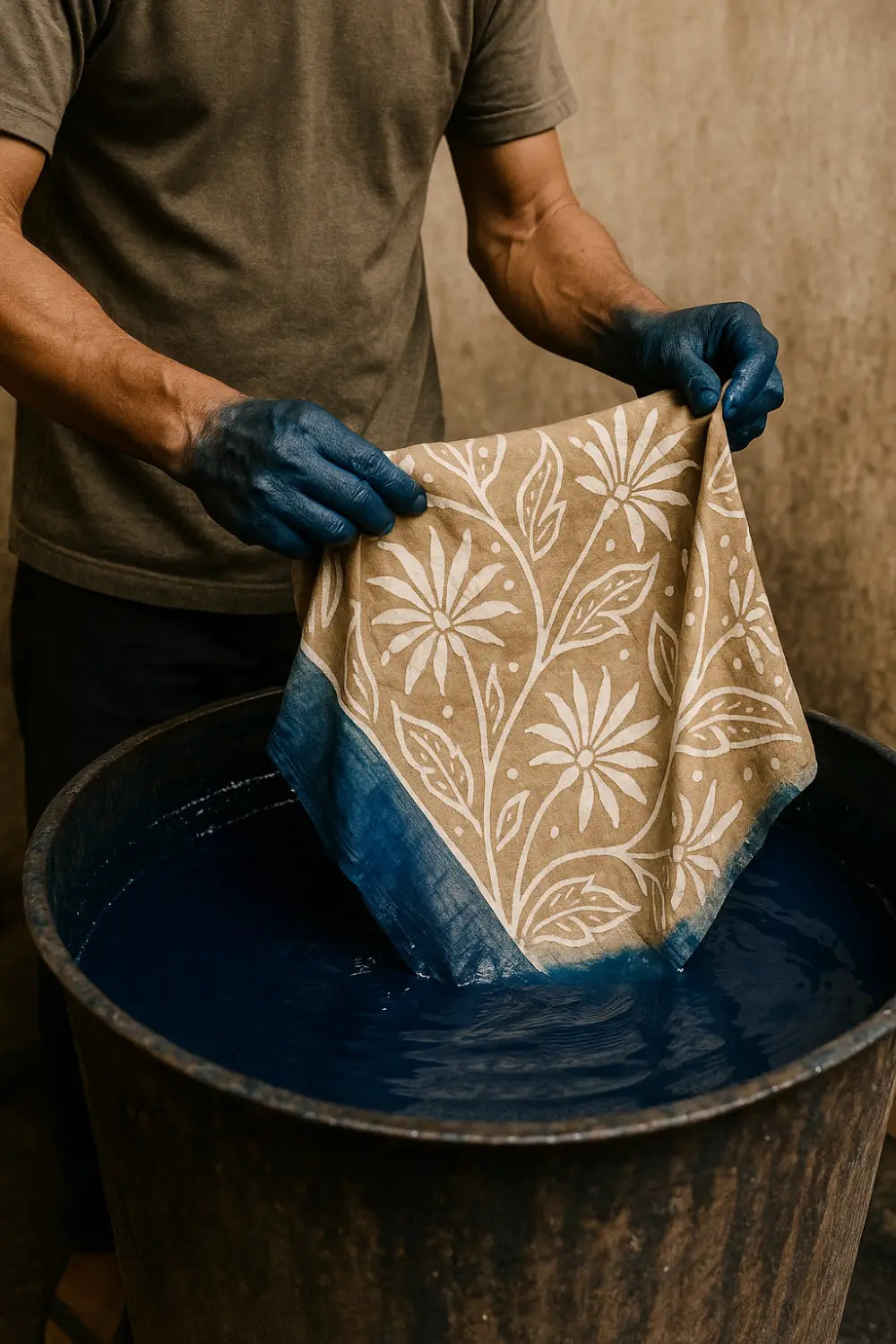
Step 3: The Second Layer of Wax and Dye
This time, wax covers a bigger area of the cloth, helping to differentiate the pre-dyed cloth. Again, dip the fabric into the dye; thus, the part of the cloth that does not have wax over it will get darker.
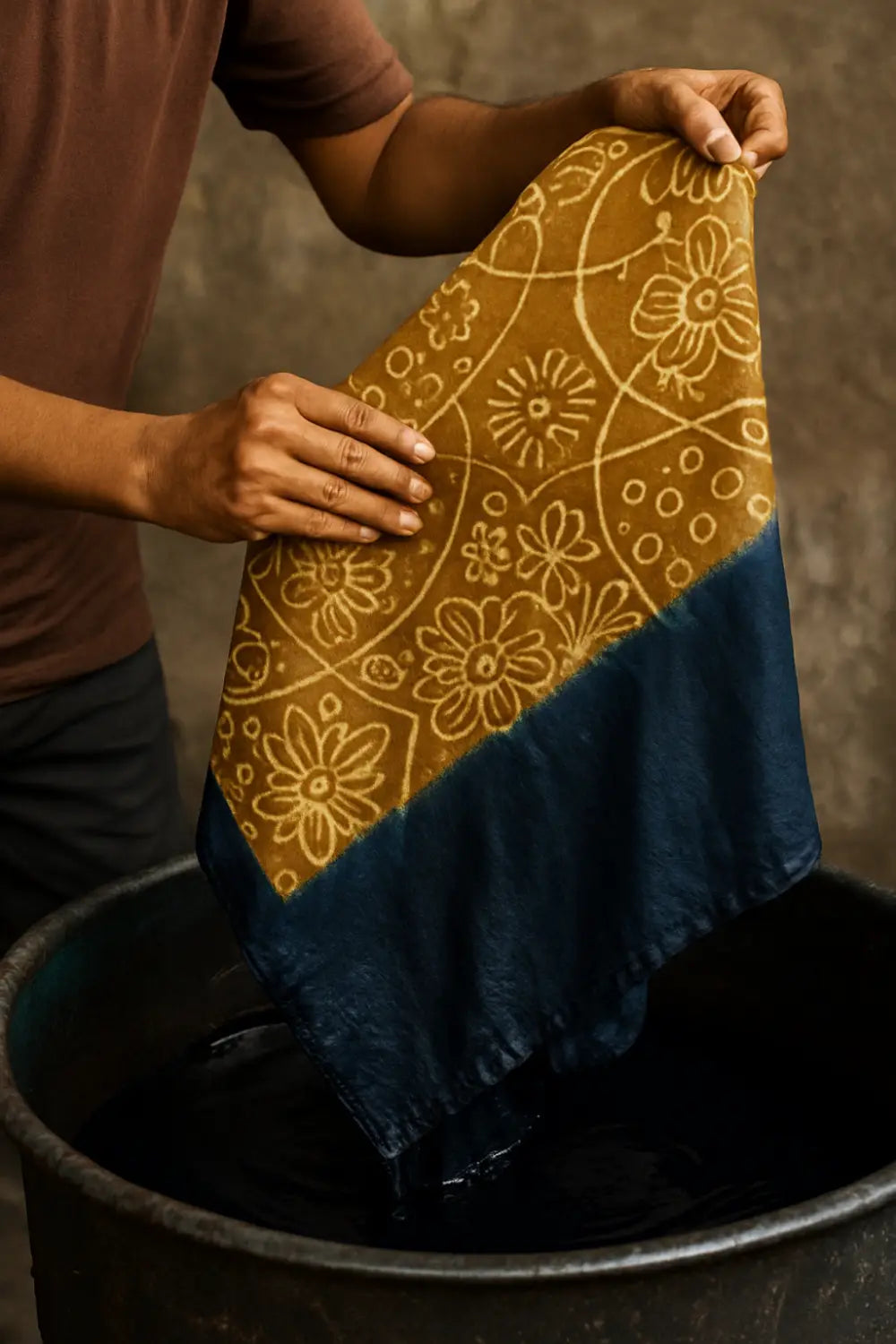
Step 4: Remove The Wax
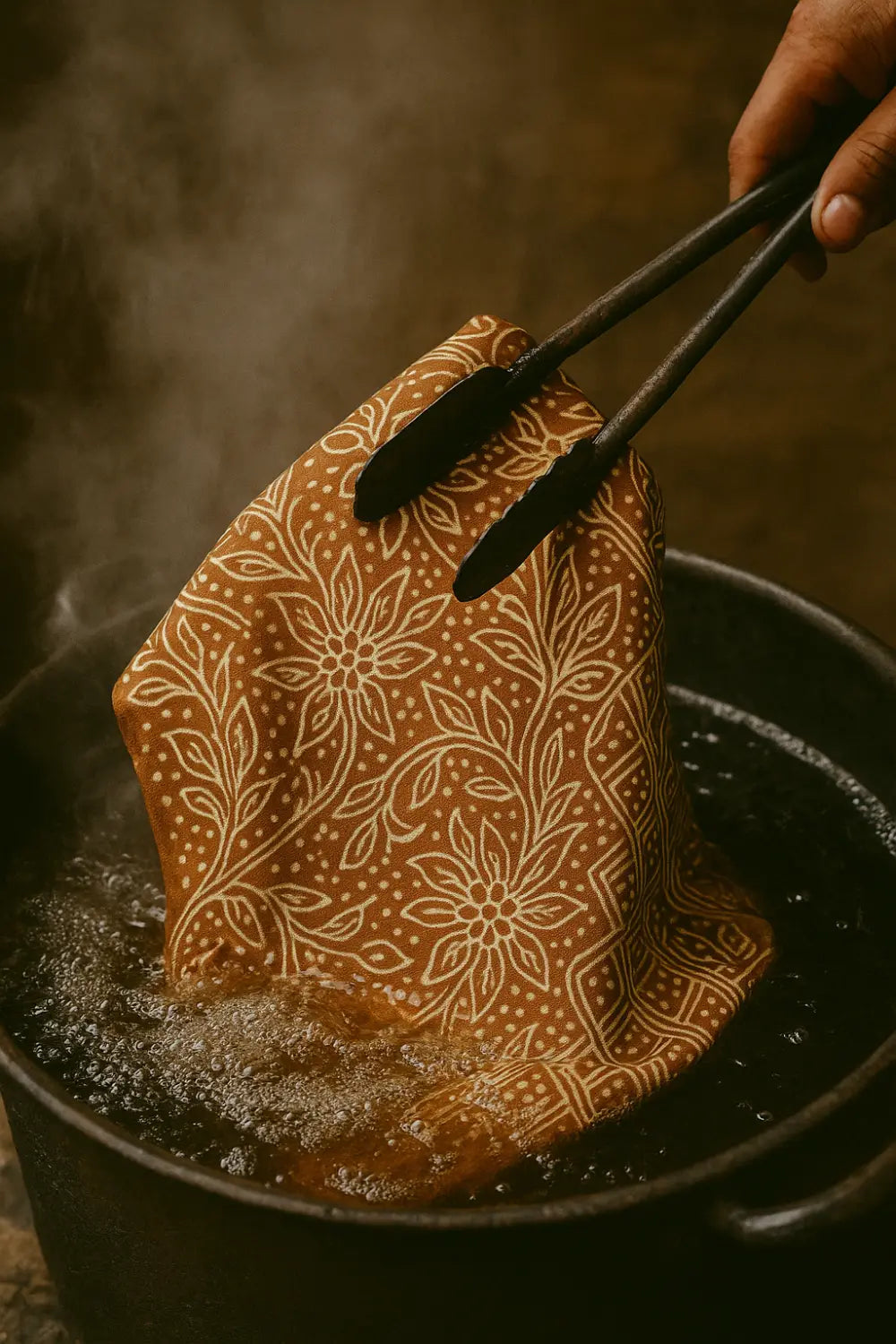
Now, wax is removed by boiling it. Once you put it in boiling water, all the wax is scraped. This is one of the important techniques of Batik.
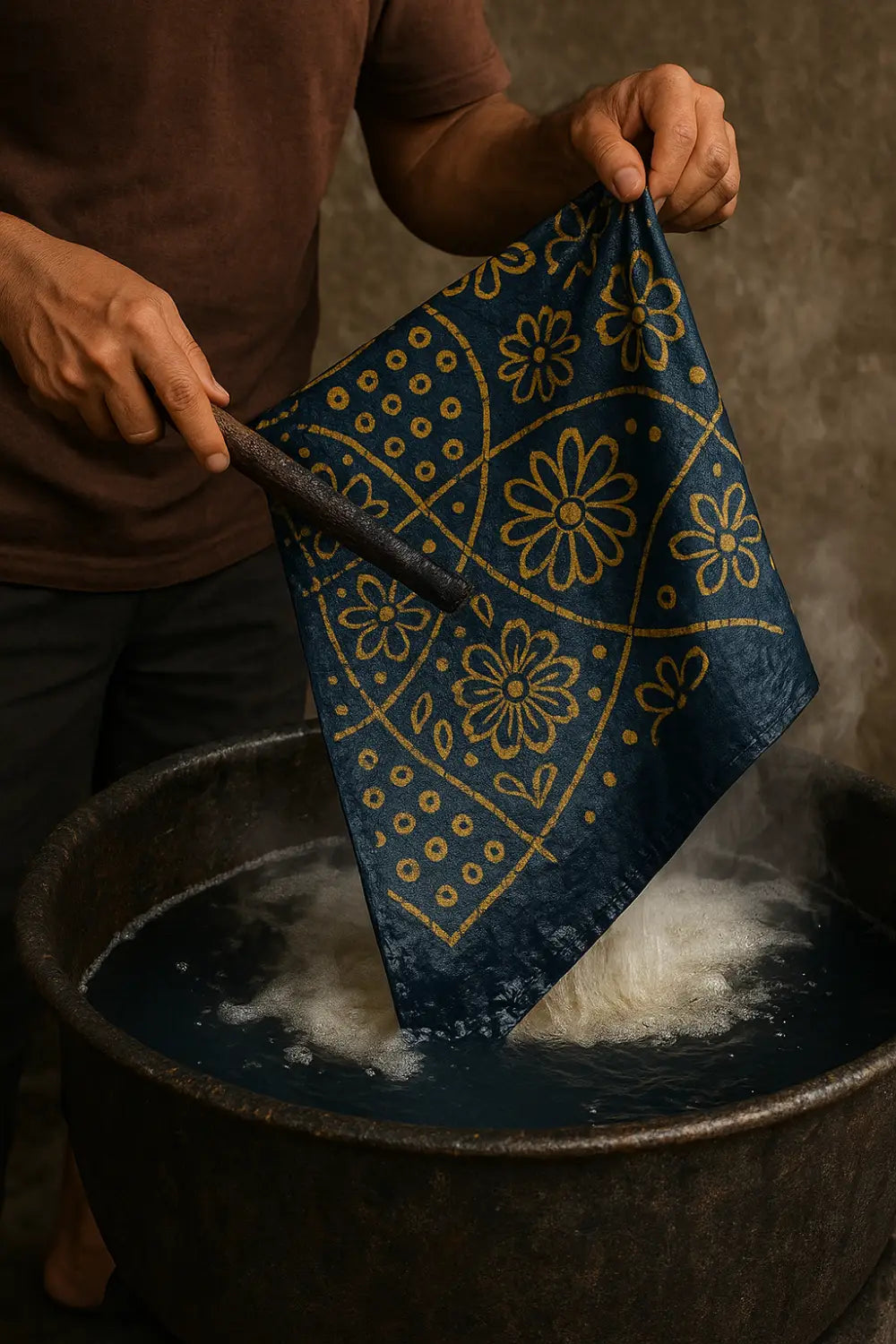
Step 5: Final Layer
This is done when the artist feels a gap between the design he thought and what has come out as a result of the process. In this step, the artist put another layer of wax to eliminate all the minor gaps.
Step 6: Eliminating Errors
Again, dip the fabric into the dye and boil the cloth to rinse off the wax from the Batik cloth.
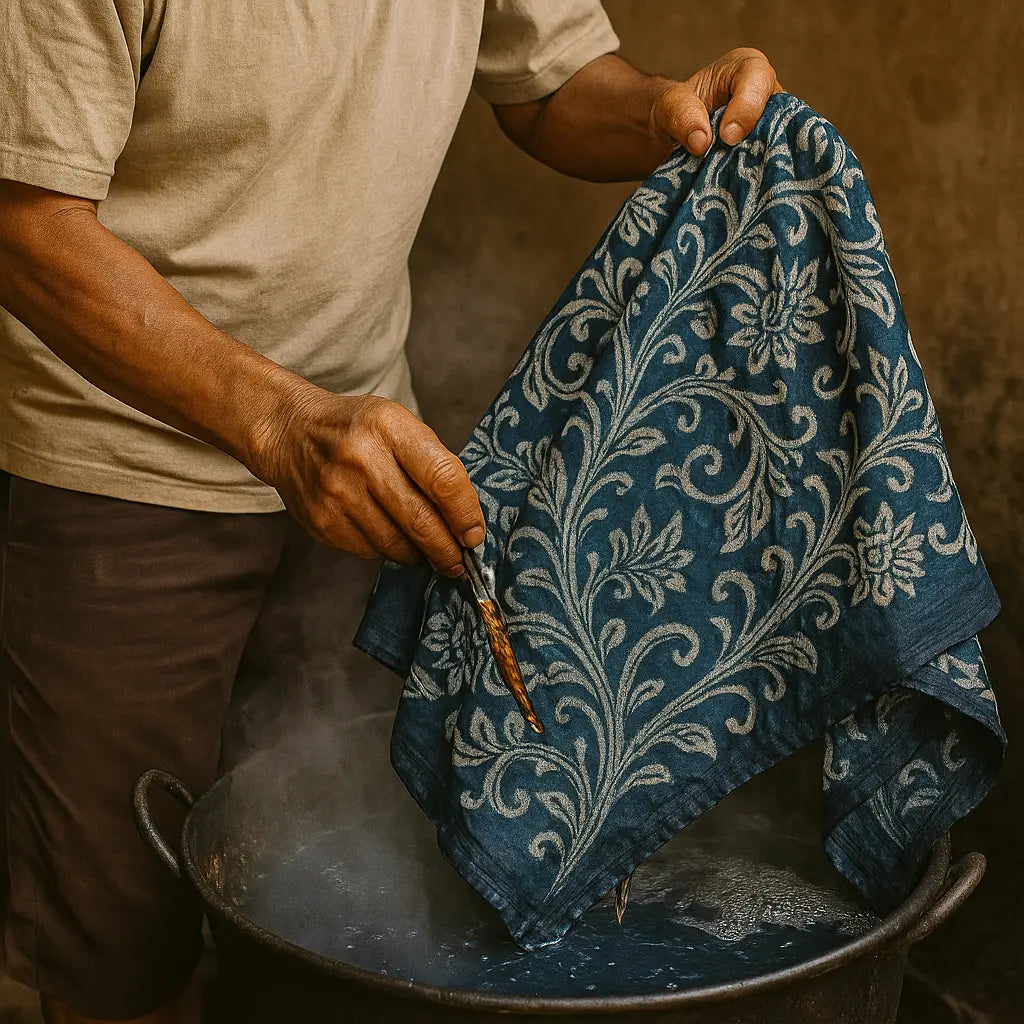
Step 7: Ultimate Beauty
After removing all the wax, you will have a final product - the beauty of the batik printing.
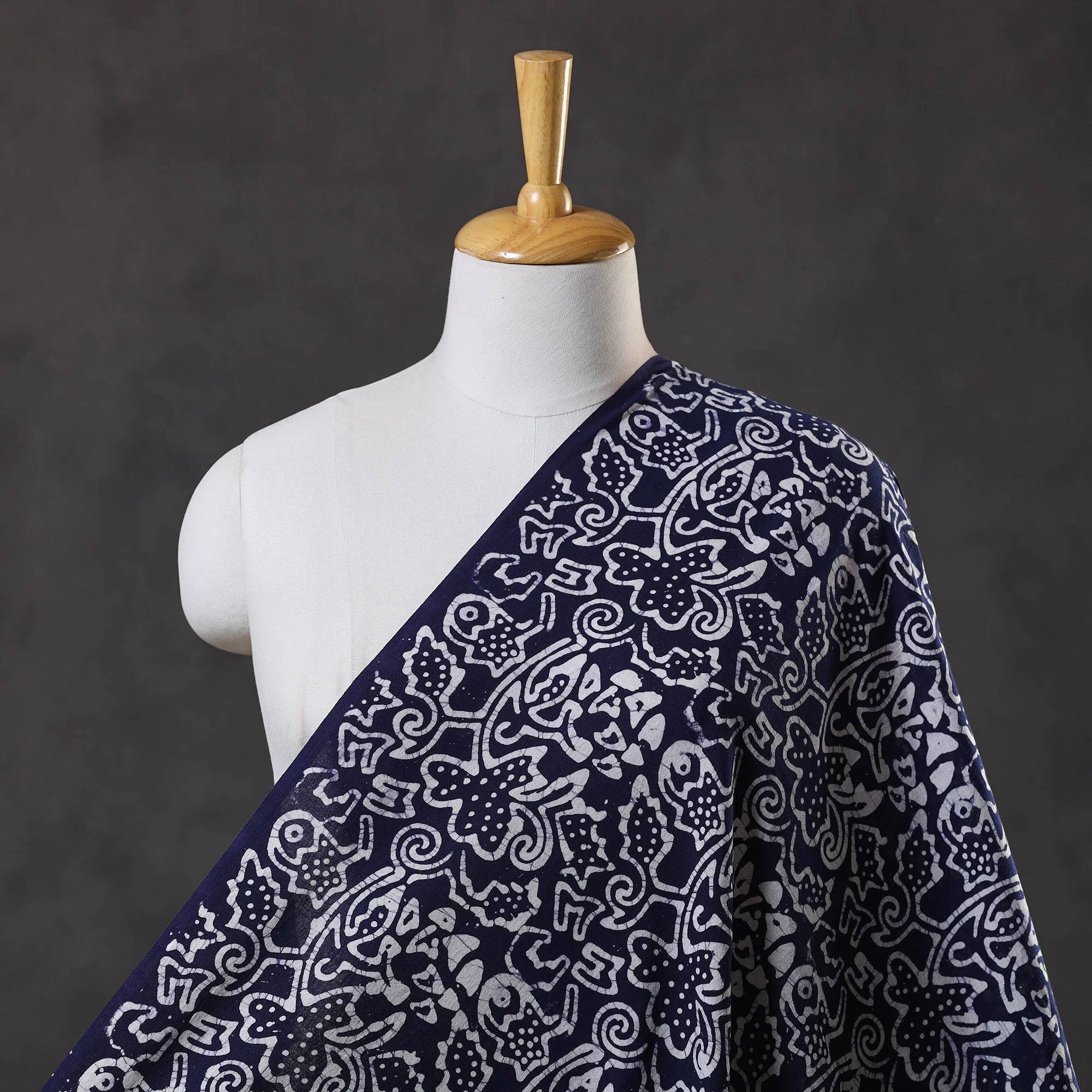
Tools & Materials Used In Batik Printing
The Batik process includes many tools:
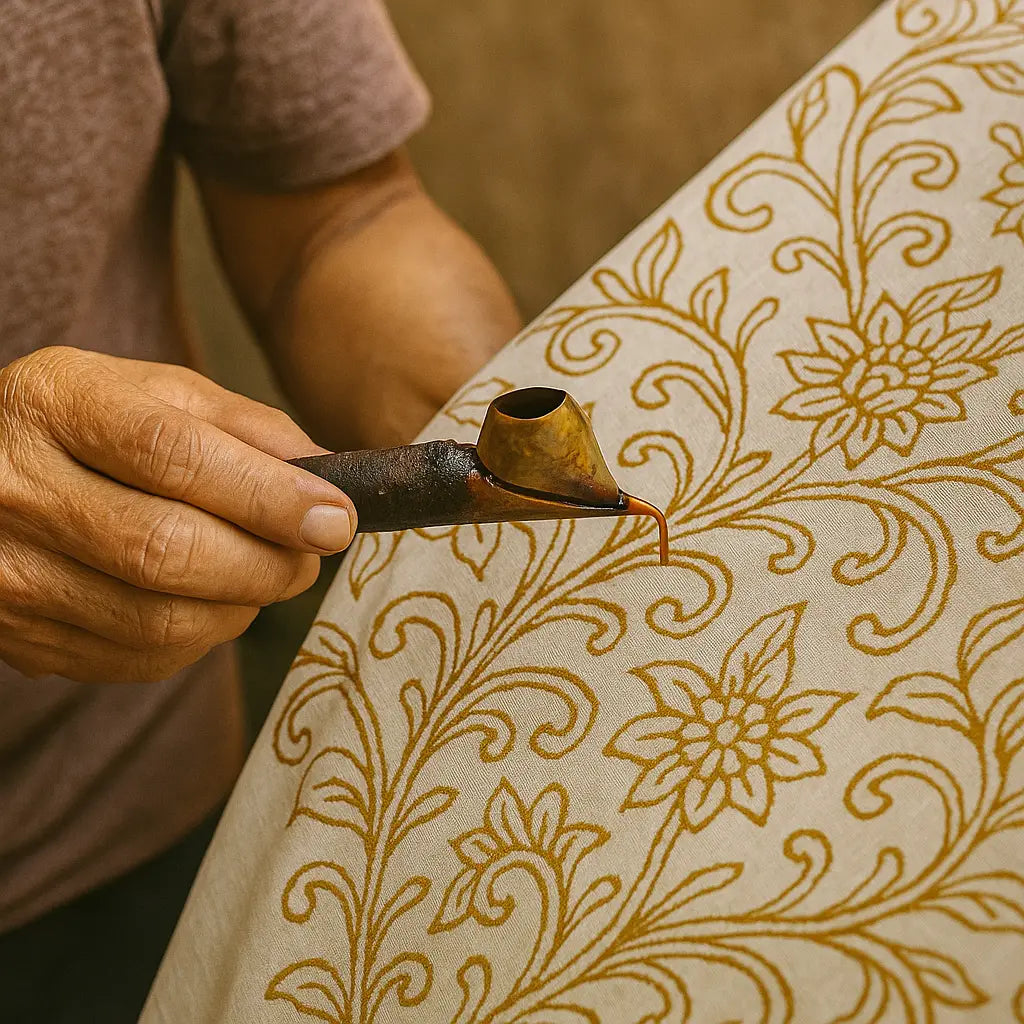
1. Canting
This tool has a small needle-like structure at the front. It is used to apply hot wax to Batik clothing.
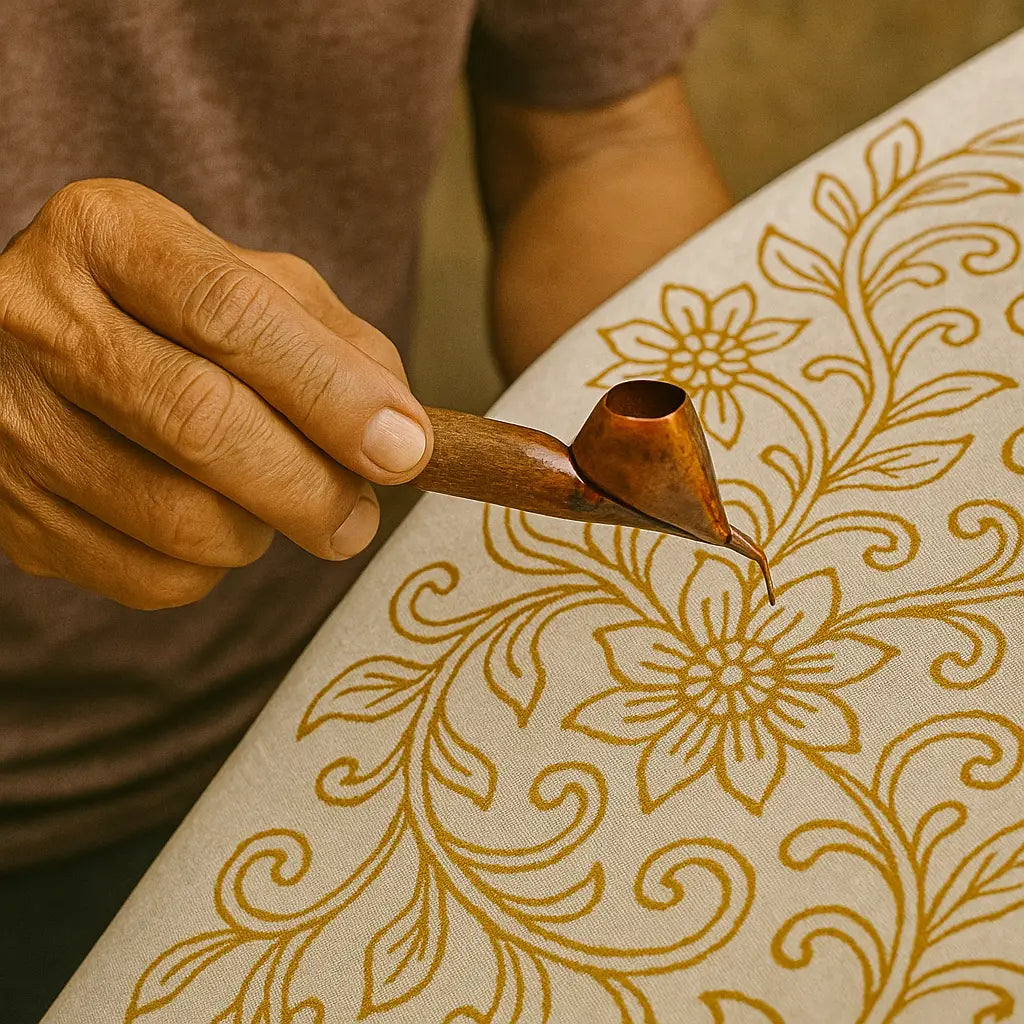
2. Tjanting
Tjanting is similar to canting in the batik print process, but it has a larger spout for waxing thicker areas.
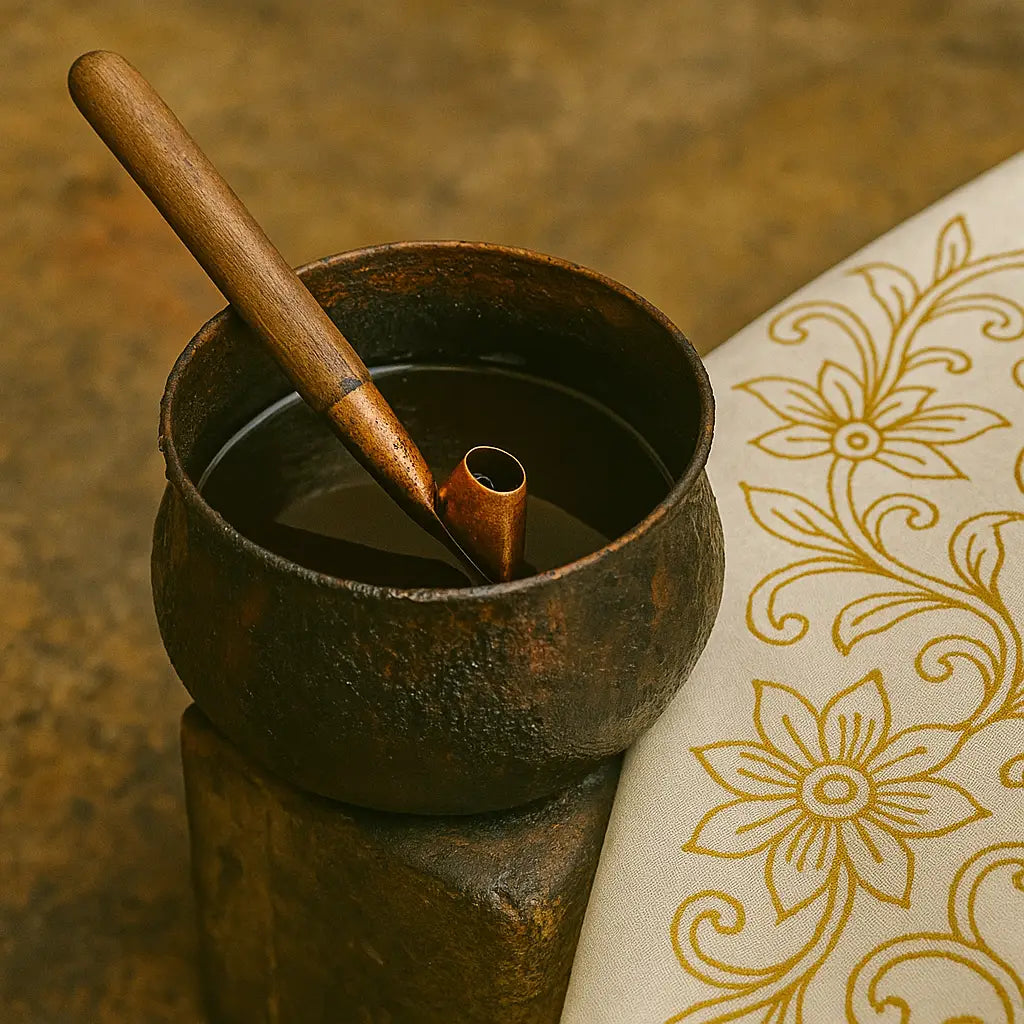
3. Wax Pot
The wax is melted in the wax pot. It is then applied using canting or tjanting.
4. Natural Dyes
Batik dye uses natural dyes. Commonly, indigo, soga brown, cochineal, and morinda are used.
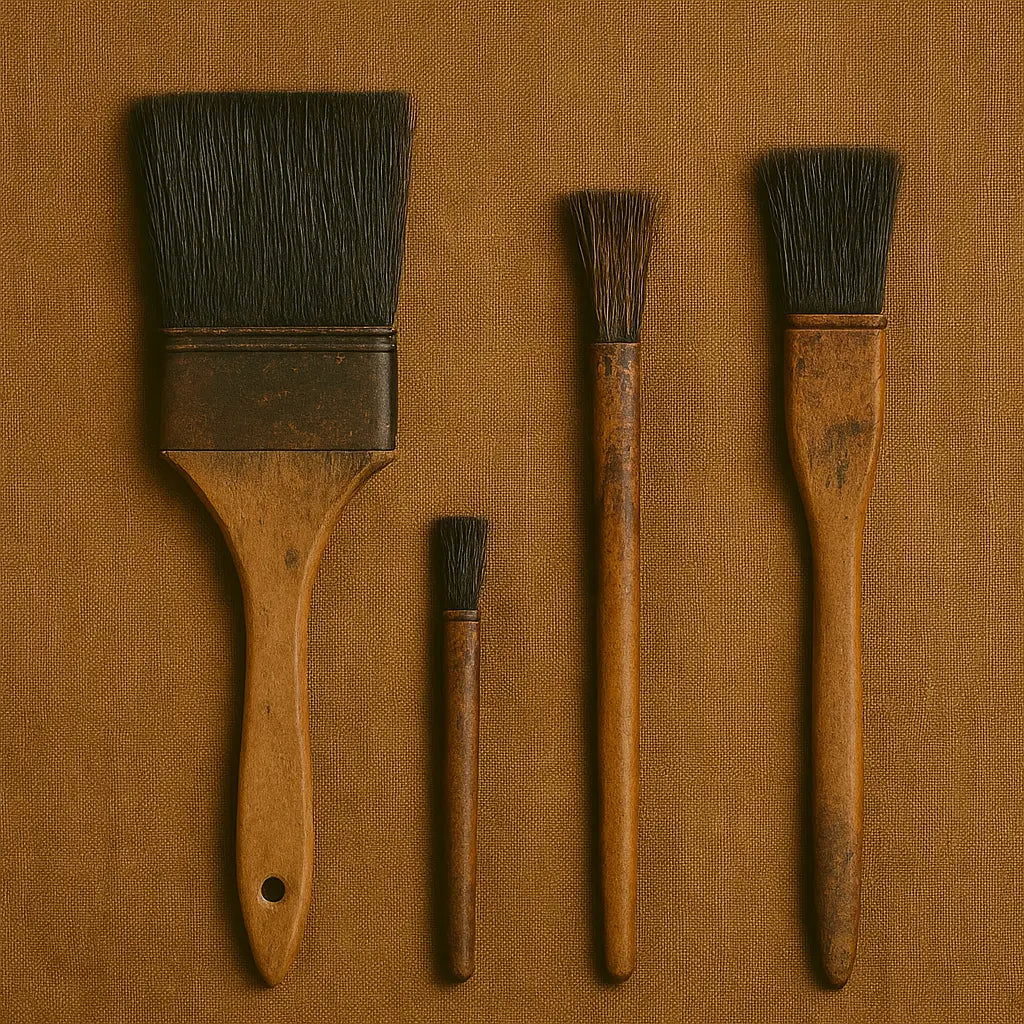
5. Brushes
Brushes apply larger amounts of dye onto the fabric.
6. Iron or Boiling Water
The fabric is boiled after waxing. This reveals the final design.
7. Cotton or Silk Fabric
Batik fabric is cotton or silk. This is because wax can be easily applied to it and is easier to dye.
Popular Patterns & Designs In Batik Printing
Batik prints are quite varied for each region. Prints in Batik, Indonesia, would differ from those in India. Within India, each community also has a different batik print pattern. Here are some common patterns and designs:
Parang
It resembles a knife and symbolises strength and power. This batik print was often reserved for royal families.
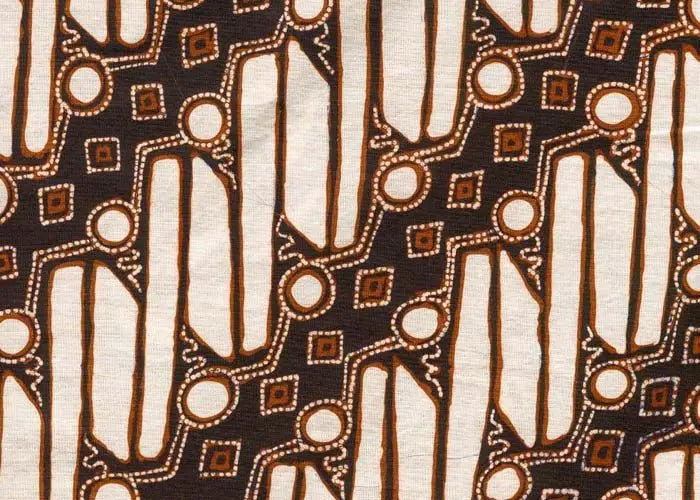
Image Credit:- in.Pintrest.com
Kawung
These are four circles in a diamond. Kawung symbolises wealth and fertility. It is frequently used in weddings and traditional ceremonies.
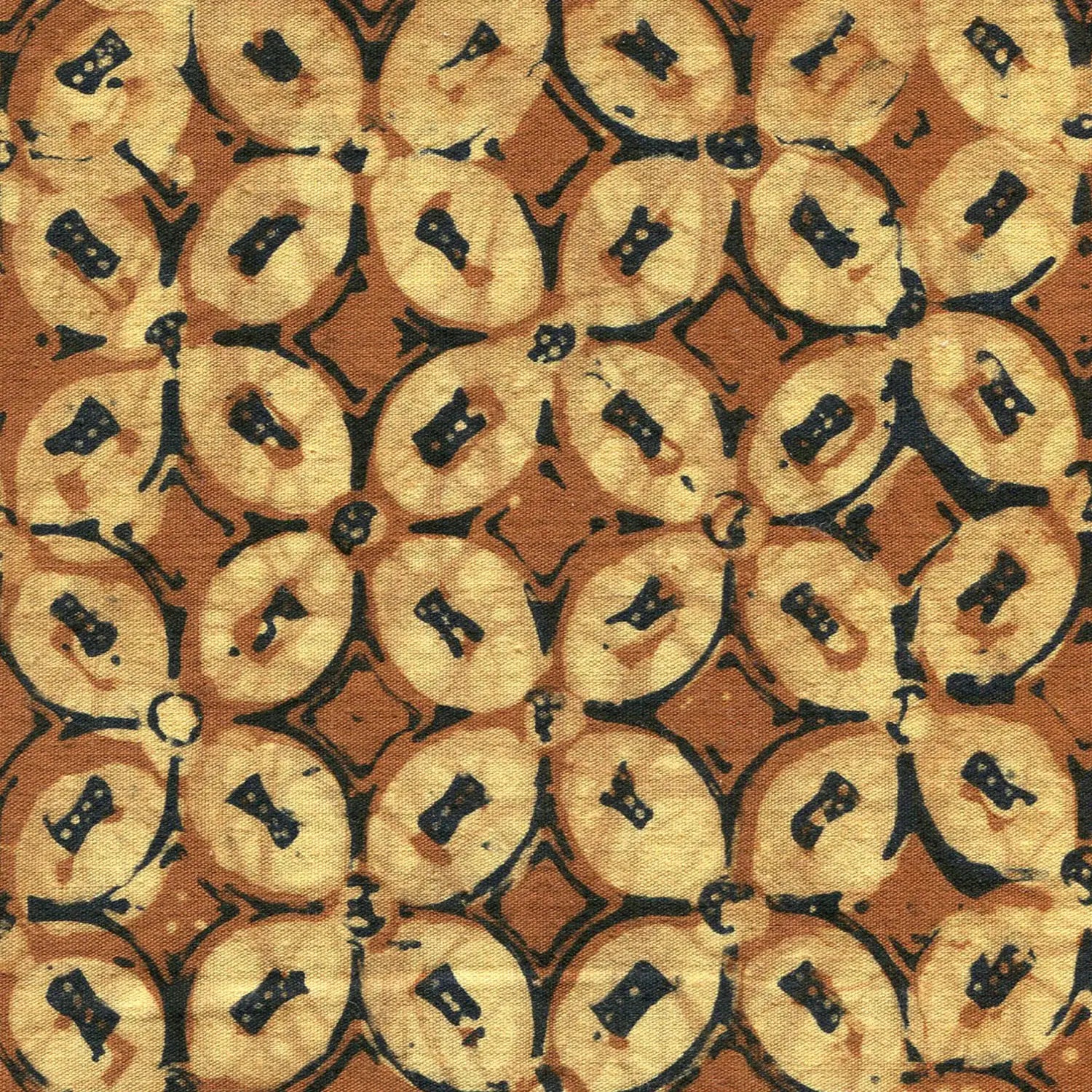
Image Credit:- Wikipedia
Ceplok
This looks like intricate geometrical motifs. It symbolises peace. Ceplok is commonly used for religious ceremonies.
Beyond this, there are other designs, too. Artists are creative and innovative with their designs and continue to create novel Batik designs.
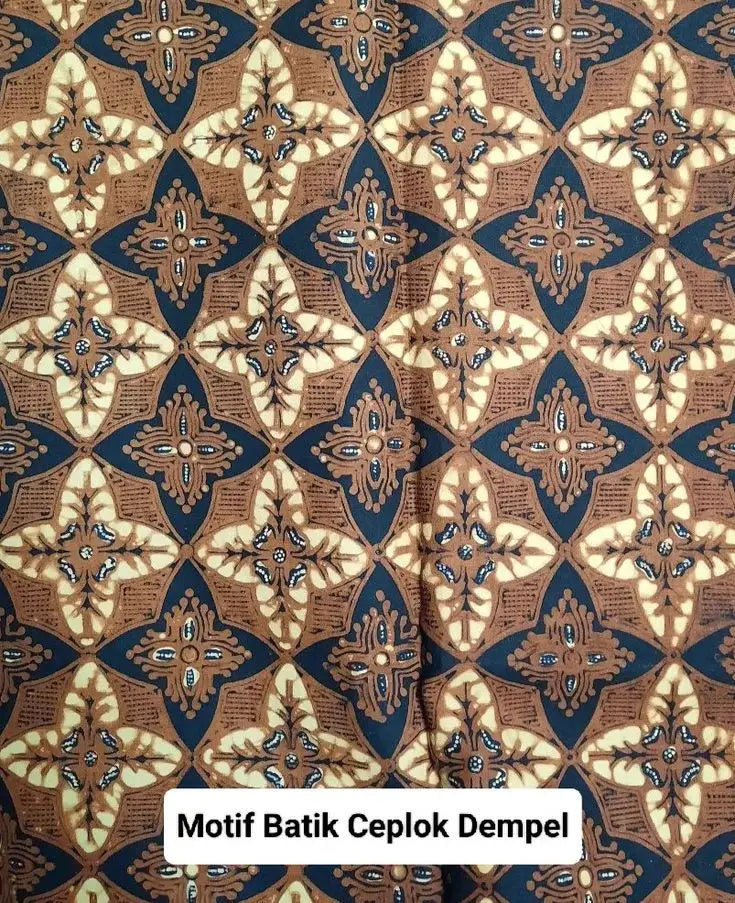
Image credit:- Pintrest
Why Batik Printing is Important for Preserving Cultural Heritage
UNESCO recognised the Cultural importance of Batik art in 2009. It was called the ‘Masterpiece of Oral and Intangible Heritage of Humanity.’
Batik, like many other heritage crafts of India, has challenges.
Several younger generations from artisan families are moving away from traditional Batik and pursuing other careers. Similarly, people are following fast fashion today. Companies that mass-produce sell their clothes for a lower price, resulting in low demand for hand-crafted products. Another thing is that the cost of war material used in the process of Batik is high. This includes wax as well as natural dyes. It makes production difficult for local artisans with limited government support. All of this creates a strong need for preserving traditional textile arts.
The government is making endless efforts to conserve and advance the art of Batik. Initiatives centred on market access and awareness-raising aim to ensure this age-old craft.
E-commerce platforms like Itokri also play a significant role. iTokri sells Batik fabric, kurtis, bags, etc., in multiple colours and patterns, and it's a popular choice! This has promoted the art form and helped many artisans' livelihoods.
iTokri not only makes Indian handicrafts available for domestic buyers, but it also tries to preserve the vanishing art forms of India through its electronic platform and makes them available for international buyers.
Ways To Incorporate Batik Printing In Your Home & Wardrobe
Besides clothing, Batik print design is also globally used in upholstery, home decor, bedding, and many other ways. Many prefer colorful batik print home furnishings, beautiful bags, murals and wall paintings with striking batik works. Batik printed kurtis, saris and wrappers are fad among the fashion crazy generations.
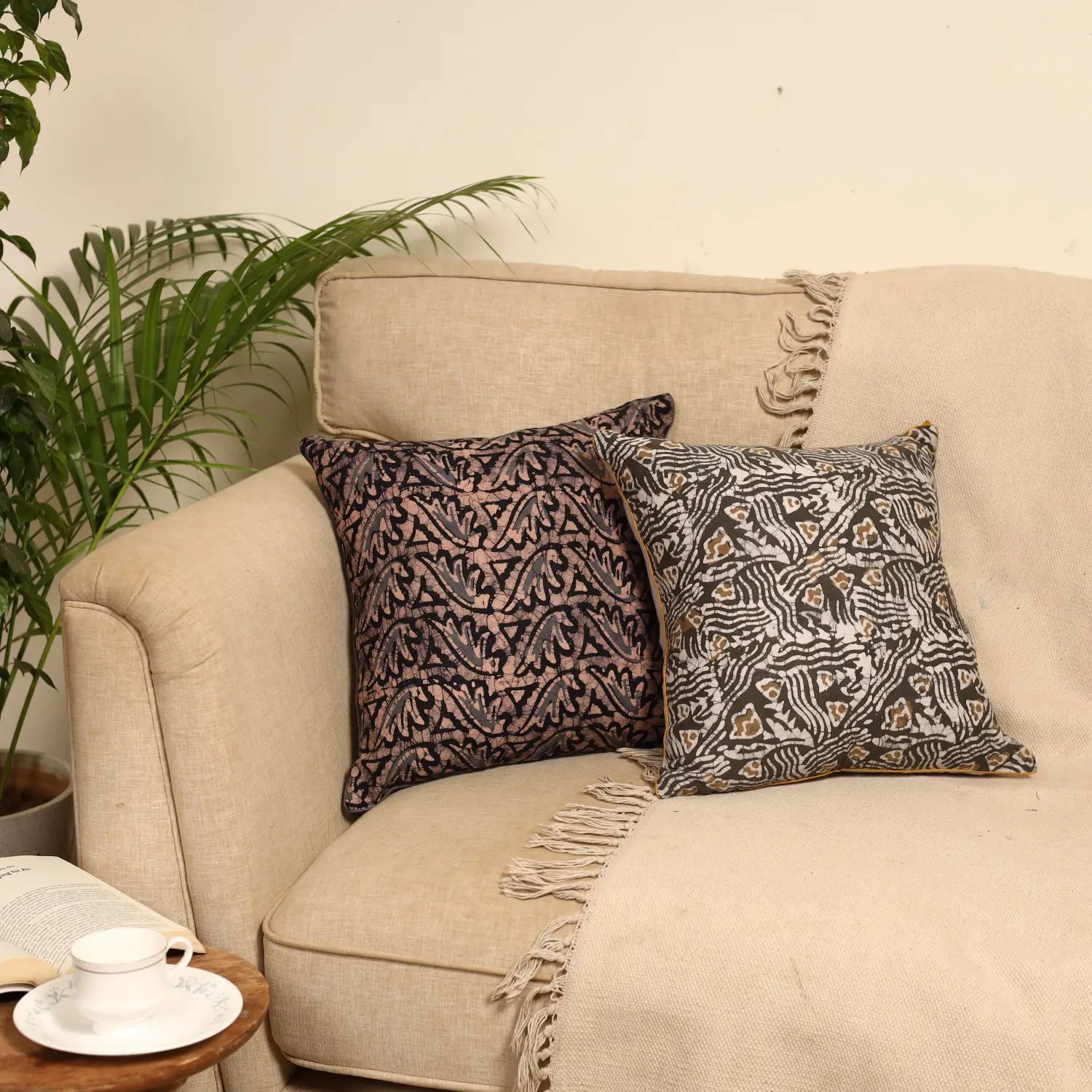
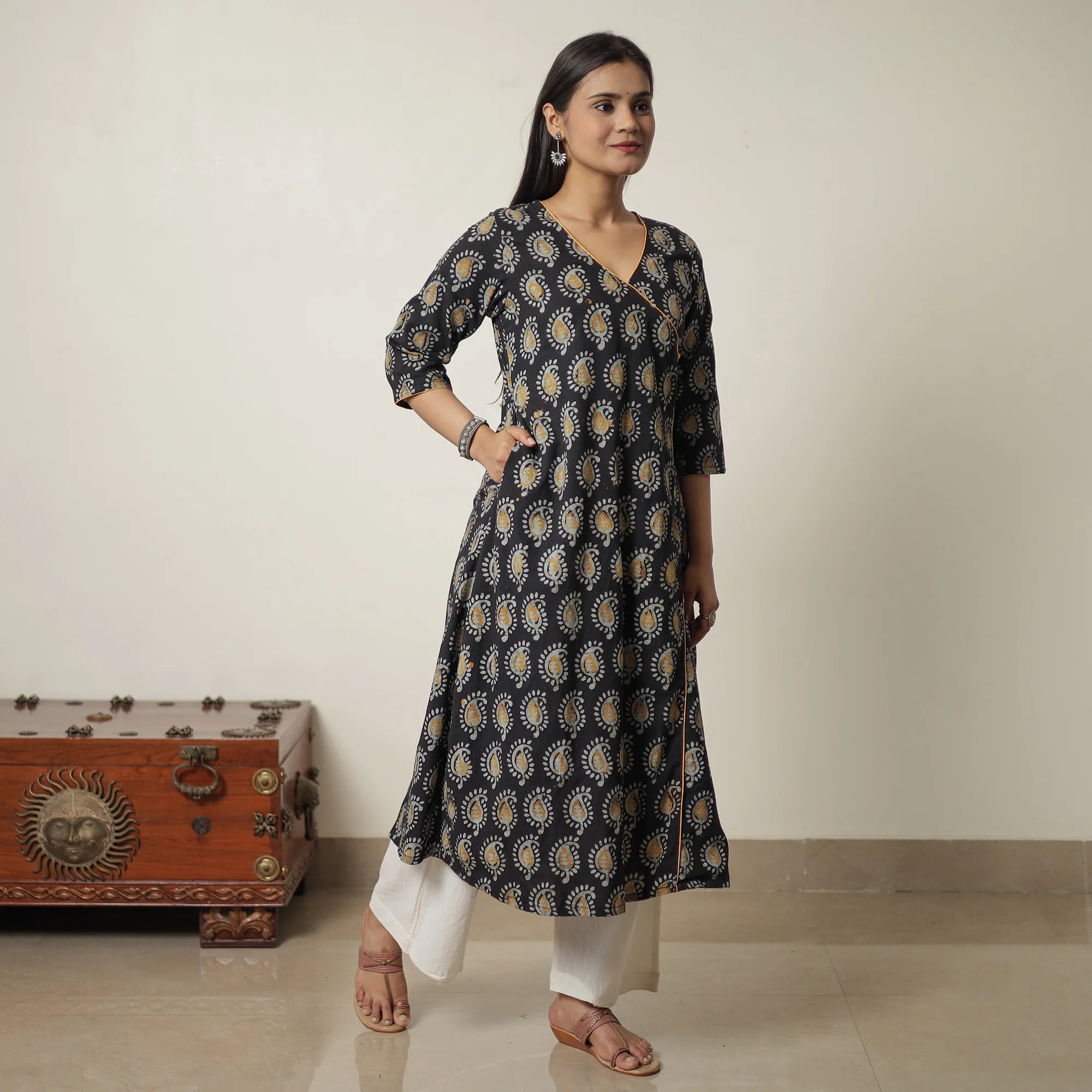
Here are some of the Batik dye products you can explore at iTokri.
Batik Printed Kurta
Our batik-printed kurta levels up your beauty game with authentic handmade work. A set of dupattas, palazzos, and kurtas completes a chic piece.
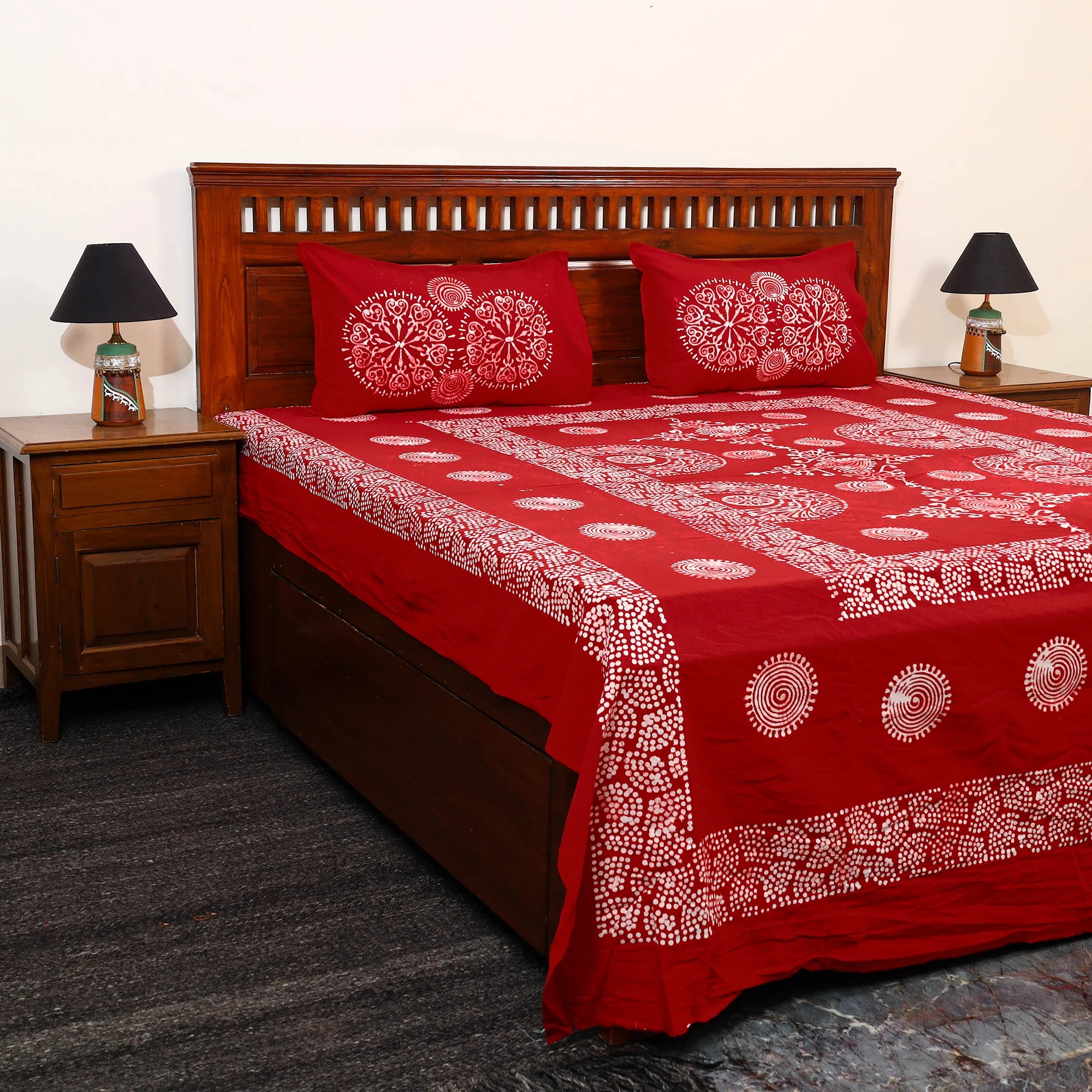
Batik Printed Bedcover
Batik not only adds charm to your appearance but can also make your room aesthetic. Batik print bedcovers at iTokri come in vibrant prints and colours that give you a refreshing vibe.
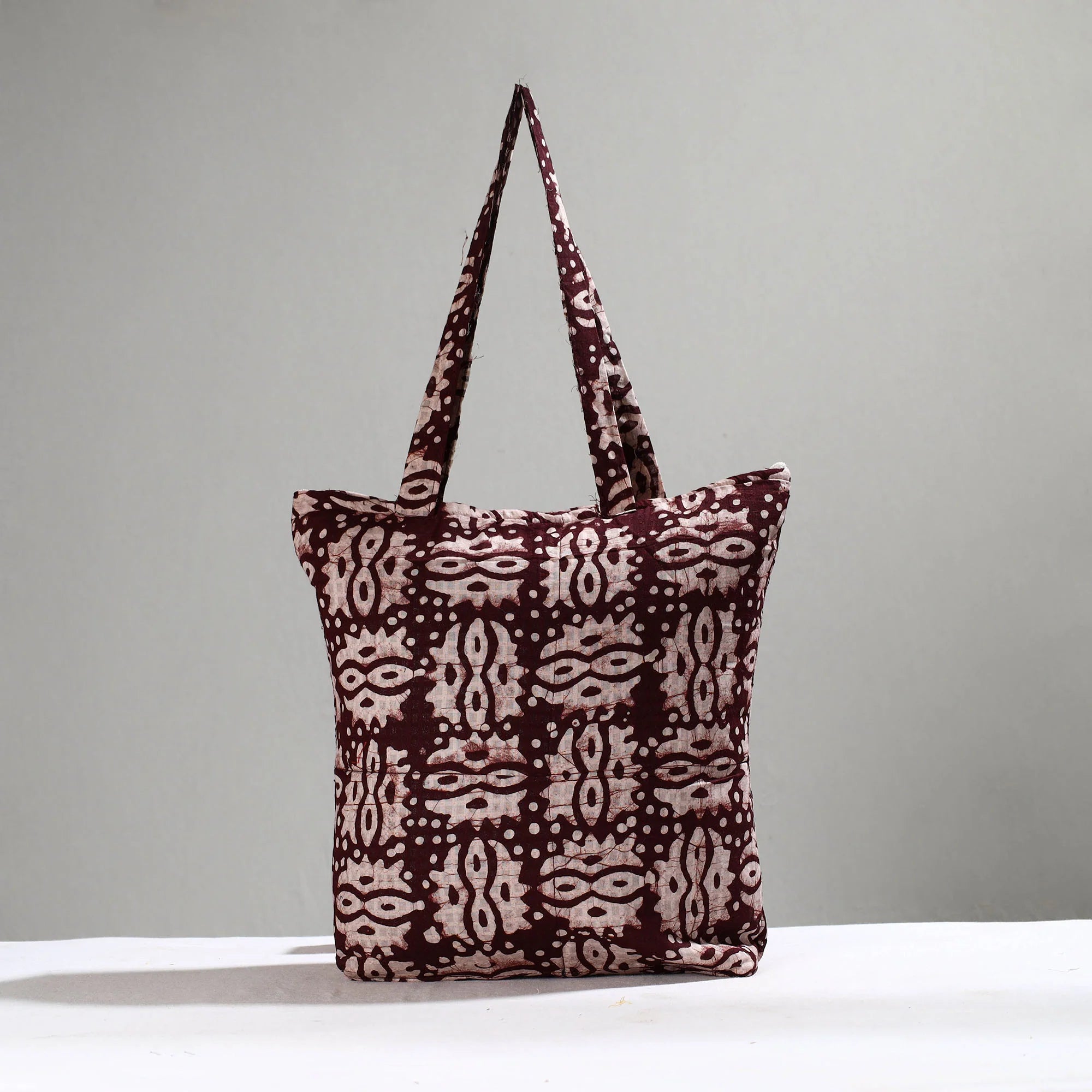
Batik Printed Bags
Another batik-print product you should include in your handmade product collection is the batik-printed bag. These bags are made of natural fabric like cotton, and a local artist prints the entire batik block.
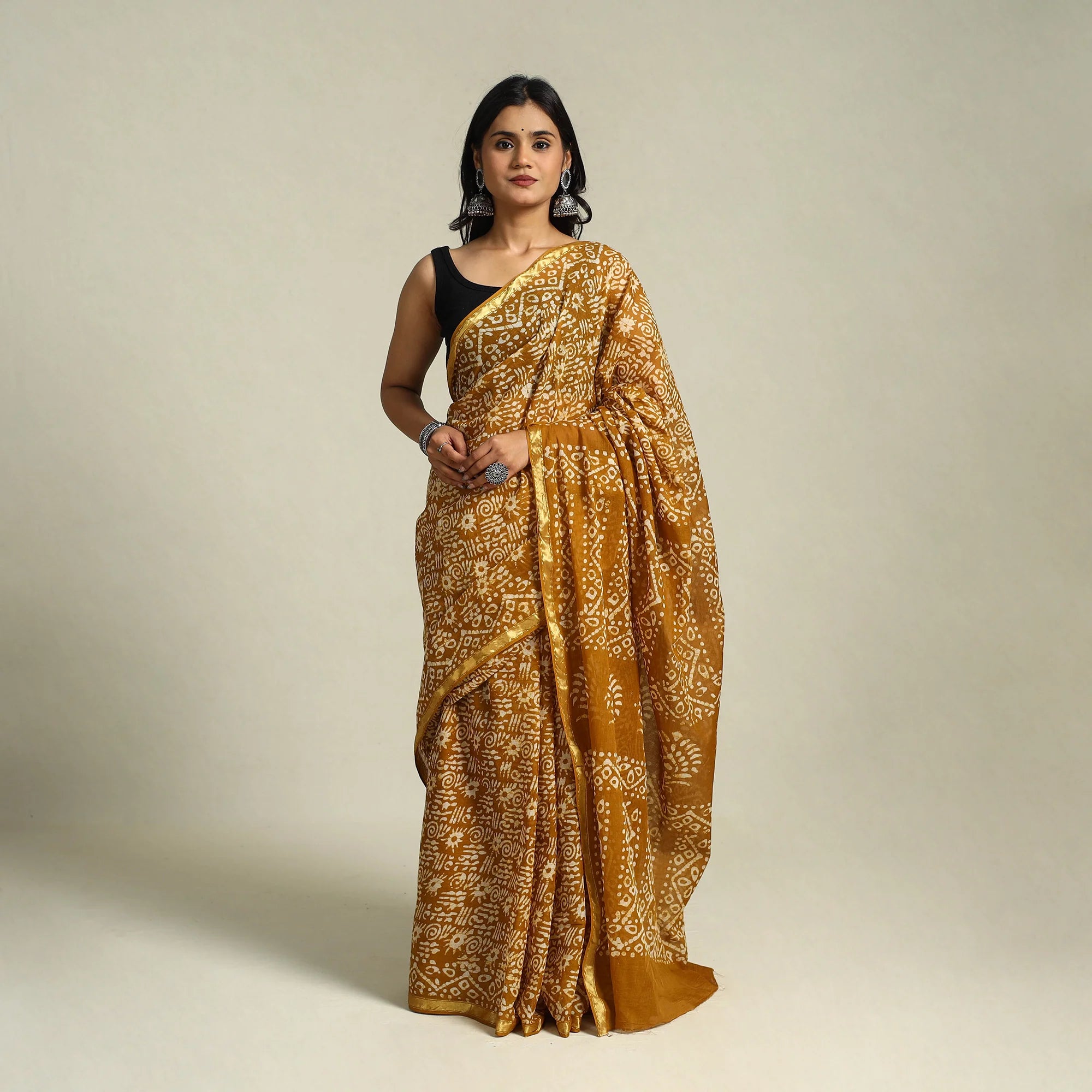
Saree
Your wardrobe is incomplete without adding a batik-printed saree. The sarees with batik printing rule the hearts of women, as the graceful work of the saree fits every occasion.
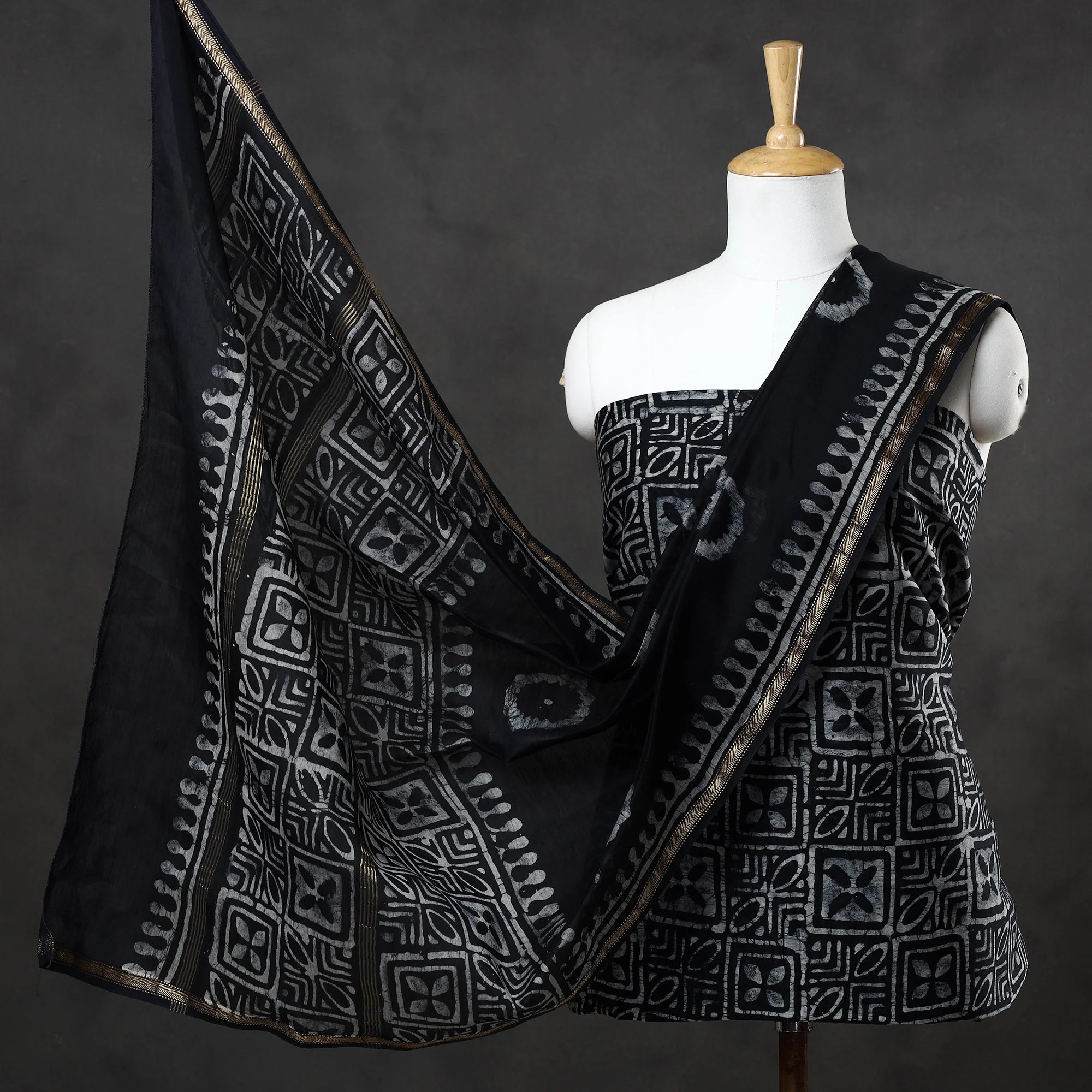
Dress Material
From blouses to suits, this batik-printed dress material can create any outfit you love. At iTokri, you will get a large variety of batik-printed dress materials with different base fabrics.
Where to Buy Authentic Batik Products Online in India
If you want to buy Batik online in India and want to check its genuineness, here are some ways:
-
Flip it over. Genuine Batik has the same appearance on both sides of the cloth.
-
Real Batik is not flawless. So, you will see some asymmetry in the design. Machine-printed designs are flawless.
Itokri is the best handmade Batik clothing store. They have a collection of authentic Batik sarees and fabrics. Having served hundreds of clients so far, you will only hear good things about them! The quality is unmatched, and every Batik clothing item is worth the price! Shop now!
FAQs
1.Who introduced the art of Batik first?
The person who initially practised this art is unknown. However, as historians have noted, batik printing was introduced in Java, Indonesia, in the 12th century.
2. What is the oldest form of Batik?
The oldest form of batik printing is tulis. In this art, wax is written throughout the fabric. It includes washing, kneading, and drying the fabric. Further, a rice paste is also applied to the wax to prevent it from getting scared off.
3. What are the two main types of Batik?
Presently, the world practises two major types of batik print design - block printing and hand-painted printing.
4. What are the tools used in Batik printing?
Batik uses tools like canting, tjanting, wax pot, brushes, etc.
5. How is Batik fabric made using wax resist dyeing?
Batik fabric is made by applying hot wax to cloth in specific patterns and then dyeing the fabric. The wax is then removed by boiling the fabric.
6. Can I wear batik prints as a Western outfit?
Yes, you can pair batik kurtis with jeans for an Indo-western look.
Citations
[3] https://rooftopapp.com/blogs/batik-printing-in-india-history-and-arrival-in-india


Leave a comment (all fields required)